
EMA Rome
The Eternal City — millennia of history layered from the Colosseum to the Vatican. Our Erasmus+ course center in Southern Europe for cultural-heritage and humanities-focused teacher training.
Courses at this center are open to participants travelling from a country other than Italy — a core requirement of Erasmus+ mobility.
Let's take a small tour of Rome.
Rome carries nearly three thousand years of history in a single city — from the Colosseum and the Roman Forum to the Renaissance palaces and baroque fountains that fill its historic centre. As the seat of Vatican City, it is also home to St. Peter’s Basilica and the Sistine Chapel, just across the Tiber from the ancient core.
Between sessions of their Erasmus+ training course in Rome, participants can wander from the Pantheon and Trevi Fountain to the Spanish Steps and the laneways of Trastevere — a city where almost every street doubles as an open-air history lesson.
Course topics running at this center.
“I found Rome a city of bricks and left it a city of marble.”

6 highlights of Rome
Nearly three thousand years of history in a single city — here are six places participants keep coming back to between sessions.
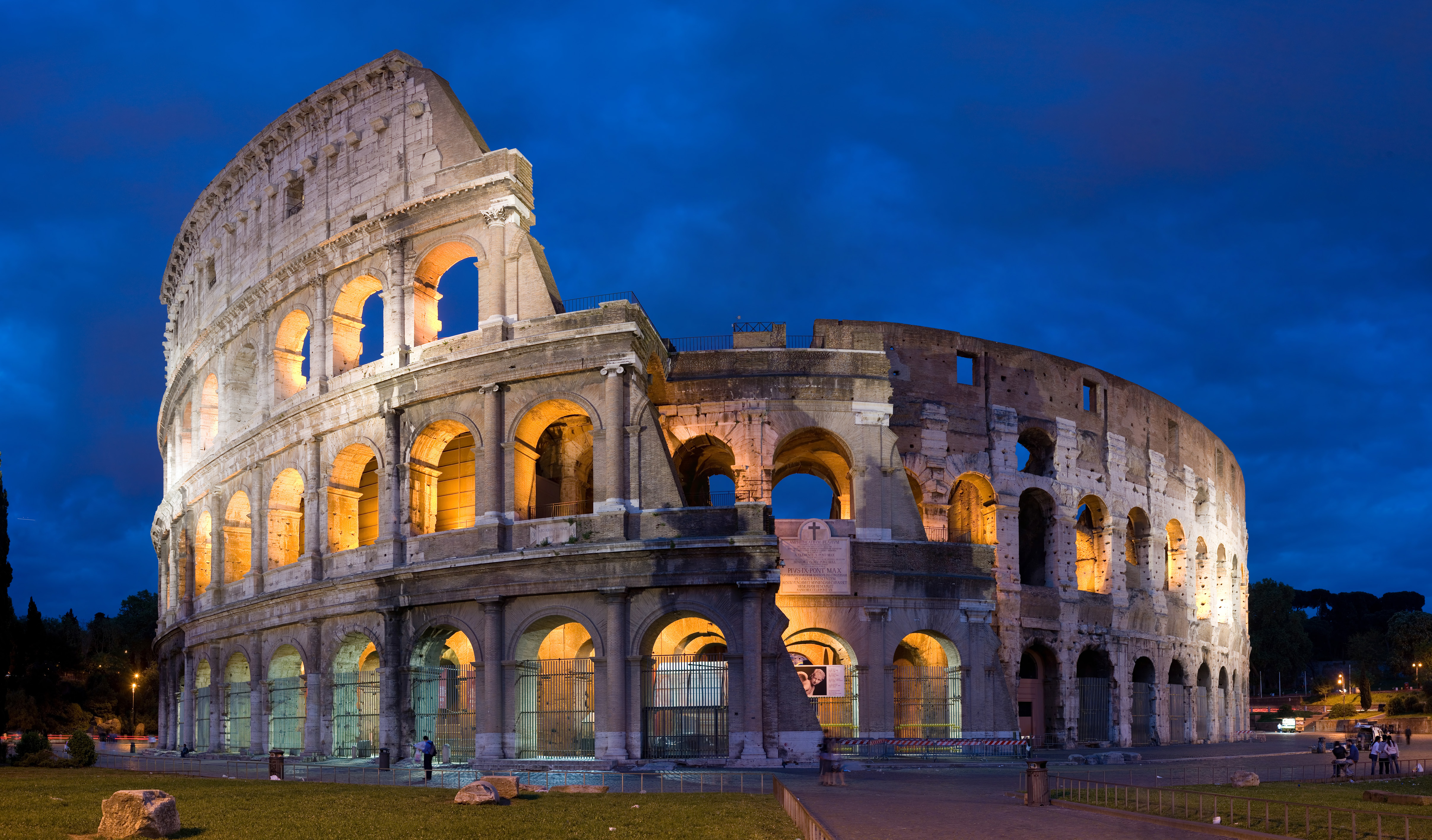

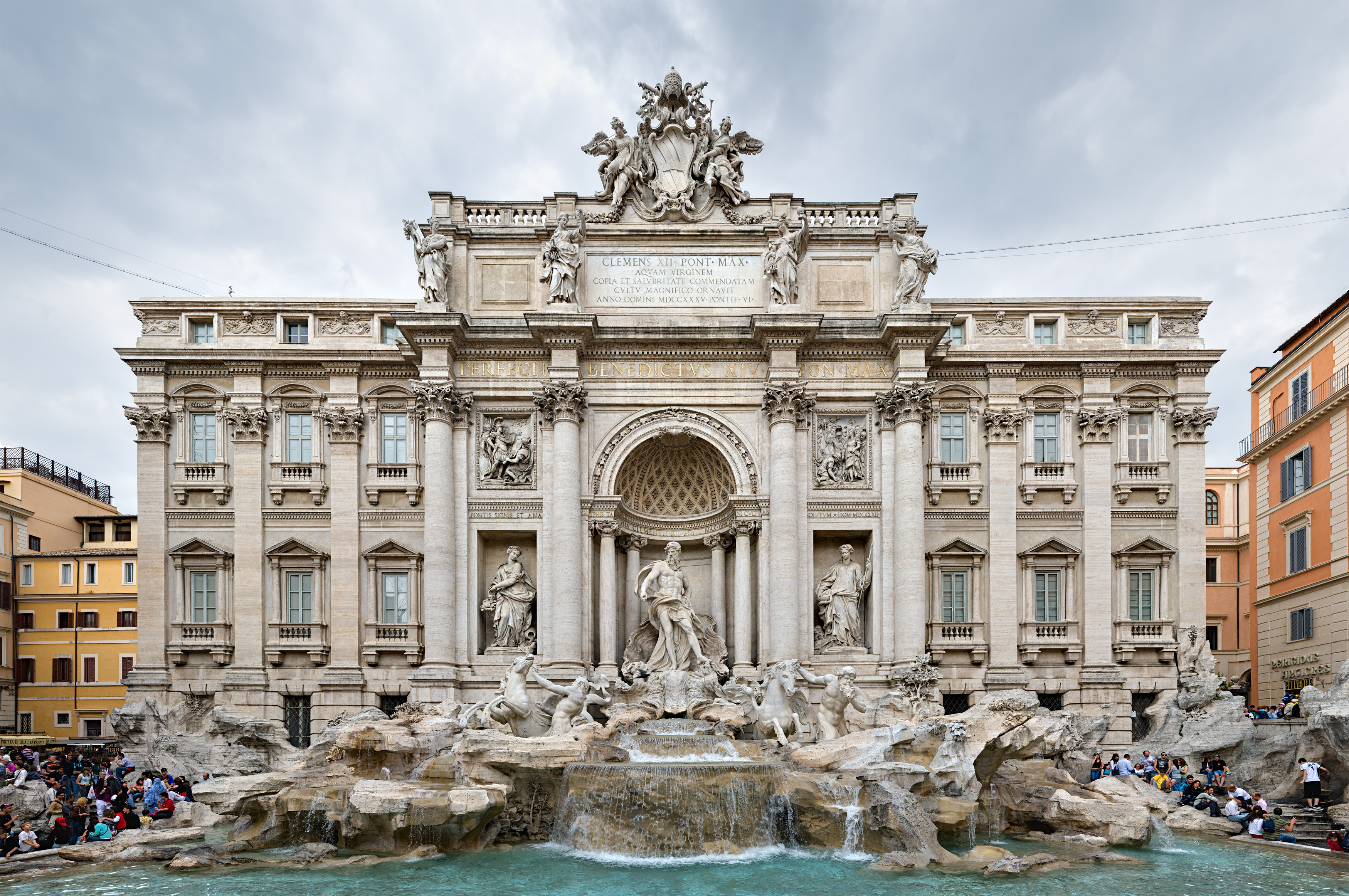


Photos: Colosseum & Trevi Fountain — David Iliff, CC BY-SA 3.0 · Pantheon — NikonZ7II, CC BY-SA 4.0 · St. Peter’s — Gary Todd, Public Domain · Spanish Steps — Ank Kumar, CC BY-SA 4.0 · Trastevere — Alessandro Cossu, CC BY-SA 4.0 · Roman Forum — Wolfgang Moroder, CC BY-SA 3.0. All via Wikimedia Commons.
Quick facts about Rome
Before you arrive
Italy is a Schengen Area member, so entry requirements depend on where you're travelling from.
Visa & entry requirements
EU/EEA citizens travel freely with no visa needed. Visitors from outside the Schengen Area (UK, USA, Canada, Australia and others) can generally stay up to 90 days in any 180-day period without a visa — this limit applies across the whole Schengen Area combined, not per country. Some nationalities do need a short-stay Schengen visa in advance; check requirements for your own passport before booking.
Travel insurance
We recommend a policy covering medical expenses, trip cancellation and lost baggage for the duration of your stay.
Weather & packing
Our courses run across the year, so "what's the weather like" depends on when you're travelling — here's Rome by season, plus a checklist you can actually tick off.
| Season | Typical range | What to expect |
|---|---|---|
| Spring (Mar–May) | Mild, warming | Comfortable and increasingly sunny — one of the best times to be out walking the city. |
| Summer (Jun–Aug) | Day ~28°C, warm nights ~23°C | Hot and dry, with around 60 days a year reaching 30°C+, mostly in July and August. Combine that with peak tourist crowds at the major sites. |
| Autumn (Sep–Nov) | Cooling, wetter | Rome's wettest season — warm early on, cooling and rainier as autumn progresses. |
| Winter (Dec–Feb) | Day ~14°C, night ~8°C | Mild by northern-European standards but genuinely chilly after dark, with occasional colder snaps — a coat is worth packing. |
Documents
Clothing
Electronics
Health & money
Getting to the venue
Rome has two airports, and they behave quite differently for getting into the city.
| From | Best option | Approx. duration | Approx. cost |
|---|---|---|---|
| Fiumicino Airport (FCO) | Leonardo Express train, direct to Roma Termini, no changes | ~32 min, every 15–30 min | ~€14, see current fares ↗ |
| Ciampino Airport (CIA) | Terravision or SIT shuttle bus to Roma Termini | ~35–45 min, roughly hourly | ~€6 one-way, varies by operator |
Once at Termini, the venue on Viale Giulio Agricola is a straightforward Metro ride:
Metro A to Giulio Agricola
The address sits on Metro Line A, at the Giulio Agricola station itself, in the Tuscolano district southeast of the centre — a direct ride from Termini, no transfer needed.
ATAC tickets
A single BIT ticket (€1.50) covers one Metro ride, or 100 minutes of unlimited bus/tram transfers. Contactless card or phone payment (Tap&Go) works directly at Metro gates — no need to queue for a paper ticket.
Taxis
Licensed, metered taxis are widely available and a practical way to reach the venue directly, especially with luggage.
Neighborhoods & accommodation
The course center sits in Tuscolano, a lived-in residential district southeast of the historic centre — not a tourist neighbourhood itself, but directly connected to one by Metro Line A.
| Area | Why consider it |
|---|---|
| Tuscolano (venue area) | Where the course center is — quieter, residential, connected by Metro A directly to Termini, Piazza di Spagna and onward toward the Vatican, with none of the historic centre's crowds or prices. |
| Around Termini | Rome's main transport hub, with the widest range of hotels at every price point and a direct Metro A connection to the venue. |
| Historic centre | Closer to the Colosseum, Trevi Fountain and Pantheon covered above — more atmospheric, but a longer commute out to the venue and typically pricier. |
Rome is one of Europe's most-visited cities, so prices vary sharply with season and proximity to major sights — compare current listings for Rome ↗. Staying anywhere along Metro Line A keeps the venue within easy reach.
Money
Rome uses the euro — if you're already coming from a Eurozone country, there's nothing to convert.
Cards & ATMs
Visa and Mastercard are widely accepted, and contactless payment is common in central Rome; American Express less so. ATMs are easy to find in the city, though Italy still runs somewhat more on cash than northern Europe — keep some on hand for small purchases.
The "coperto"
Many restaurants add a small per-person cover charge (€1–3) to the bill for bread and table service — it's technically been banned in the Lazio region but still shows up on menus regularly. If a "servizio" (service charge, usually 10–15%) is listed, it must be stated clearly, and you're not obliged to pay it if it isn't.
Tipping
Not expected the way it is in the US — Italians don't tip by percentage. Rounding up or leaving a euro or two for good service is a normal, appreciated gesture, nothing more is required.
Before you fly
Notify your bank you're travelling if you're coming from outside the Eurozone, so a card payment doesn't get blocked as suspicious.
Safety & practical info
The UK Foreign Office describes Italy's overall crime level as generally low — the one specific, repeated warning is petty theft: bag-snatching and pickpocketing around city centres and major tourist sites.
| Topic | Advice |
|---|---|
| Pickpocketing | Keep bags and valuables close on public transport, at airports, at tourist sites and in busy cafés/bars — the official advice specifically flags these as the higher-risk spots. Distraction techniques are a known tactic. |
| Parked cars | If you rent a car, don't leave valuables visible inside — vehicle break-ins are a noted risk. |
| Drinks | As in most major cities, keep an eye on your drink in bars and clubs. |
| General | Central Rome and Tuscolano are comfortable to walk during the day and evening; use normal city awareness late at night, as anywhere. |
Culture & etiquette
A few local habits are worth knowing before your first day of class — and before you plan a Vatican visit:
| Topic | Guidance |
|---|---|
| Church & Vatican dress code | Strictly enforced — shoulders and knees must be covered, no shorts, mini-skirts or bare midriffs, hats off inside. This applies at St. Peter's Basilica and the Sistine Chapel regardless of religion, and it's actively checked at the door. |
| Meal times | Lunch is often the main meal, roughly 12:30–14:30; dinner rarely starts before 19:30. Meals are unhurried and social — don't expect to be rushed out. |
| Greetings | A firm handshake and eye contact for a first meeting; "Buongiorno" or "Buonasera" when entering a shop or café is expected good manners, not just small talk. |
| Photography | Always ask before photographing people directly. |
Rome food & dining
A few dishes that are genuinely Roman, not just "Italian food in general":
| Dish | What it is |
|---|---|
| Cacio e pepe | Pasta with just pecorino romano and black pepper — deceptively simple, one of Rome's four defining pasta dishes. |
| Carbonara | Egg, pecorino, guanciale (cured pork jowl) and black pepper — no cream, whatever some recipes abroad claim. |
| Amatriciana | Tomato, guanciale and pecorino — the fourth of Rome's classic pastas alongside gricia (its tomato-free version). |
| Supplì | Fried rice croquettes with a molten mozzarella centre — Rome's answer to street-food snacking. |
| Saltimbocca alla Romana | Veal wrapped in prosciutto and sage — a classic Roman second course. |
| Maritozzo | A cream-filled brioche bun, traditionally a breakfast pastry — the name comes from "marito" (husband), tied to an old local courtship custom. |
We arrange tailor-made Erasmus+ sessions on demand — tell us your preferred topic and travel window and we'll schedule it.