
EMA Mersin
A Mediterranean gem between the Taurus Mountains and the sea — citrus gardens, ancient castles and a relaxed coastal setting for our Erasmus+ teacher training mobilities in Mersin.
Courses at this center are open to participants travelling from a country other than Türkiye — a core requirement of Erasmus+ mobility.
Let's take a small tour of Mersin.
Mersin is the dazzling Mediterranean gem of Türkiye — a coastal city where ancient history meets modern life. Turquoise waters, fertile citrus plains and the Taurus Mountains rising behind the shore give it a rare harmony of nature, culture and timeless charm.
Around the city lie the legendary Maiden’s Castle rising from the sea, the ancient city of Soli Pompeiopolis, the Caves of Heaven and Hell, and Diocaesarea at Uzuncaburç — giving teachers on our Erasmus+ course in Mersin plenty to explore between sessions, while the marina, golden beaches and lively bazaars keep everyday life close to the water.
Course topics running at this center.
Mersin is where the Toros Mountains step back from the Mediterranean and leave room for the Çukurova plain — Türkiye's citrus country. It has been a working port for millennia, and the coast on either side of it is dense with real, old places: a castle standing alone in the sea, a Roman-era gate Cleopatra is said to have passed through, an antique city Pompey rebuilt after clearing it of pirates. It is a quieter, less-touristed stretch of coast than İstanbul or Antalya — for a training visit with colleagues, that turns out to be an advantage rather than a compromise.
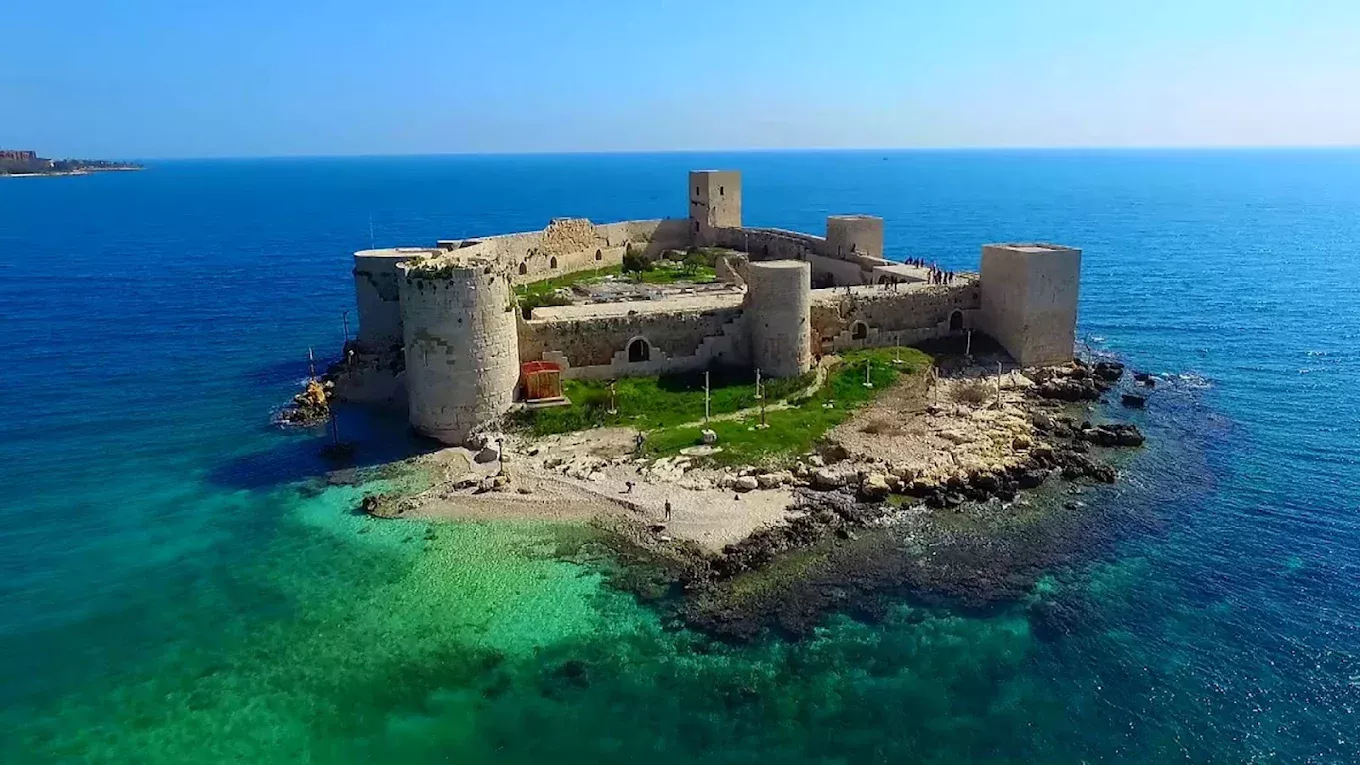
Kızkalesi (Maiden's Castle) — not in Mersin itself, but the coast's best-known landmark; more on it below.

Photo: Korkut Tas, via Wikimedia Commons, CC BY-SA 3.0
From ancient port to citrus capital
People have lived on this stretch of coast since at least 6300 BCE — excavations at the Yumuktepe mound, just north of the modern city, uncovered 23 layers of settlement going back that far. Mersin's modern shape, though, was set in 1866, when a railway line connecting the region's cotton fields to the coast turned a modest town into a trading hub. That trajectory never really stopped: Mersin is now Türkiye's busiest Mediterranean port, handling around 6,000 vessels a year, and home to the country's first free trade zone, established in 1986.
Inland, the Çukurova plain makes the province one of Türkiye's main citrus-growing regions — Mersin alone accounts for roughly a fifth of the country's citrus harvest and around half of its lemon production. Every November since 2010, the city has marked that identity with the Mersin Citrus Festival, complete with citrus-sculpted floats and folklore groups visiting from abroad — more on that below.
Every year, teachers and school staff from across Europe travel to Mersin for their Erasmus+ mobility — the rest of this page covers what to expect once you land. A few reasons groups choose it over a busier centre:
- A real working city rather than a resort strip — fewer crowds competing for your attention between sessions.
- Compact and walkable: hotels, the seafront, the course center and the Marina all sit within a few streets of each other in Yenişehir.
- Thousands of years of history within a short drive, without the crowds of Ephesus or Cappadocia.
Tarsus — a short drive from the city center
Once the capital of Roman Cilicia, Tarsus is a district of Mersin province with several genuinely old landmarks worth the trip on a free afternoon.
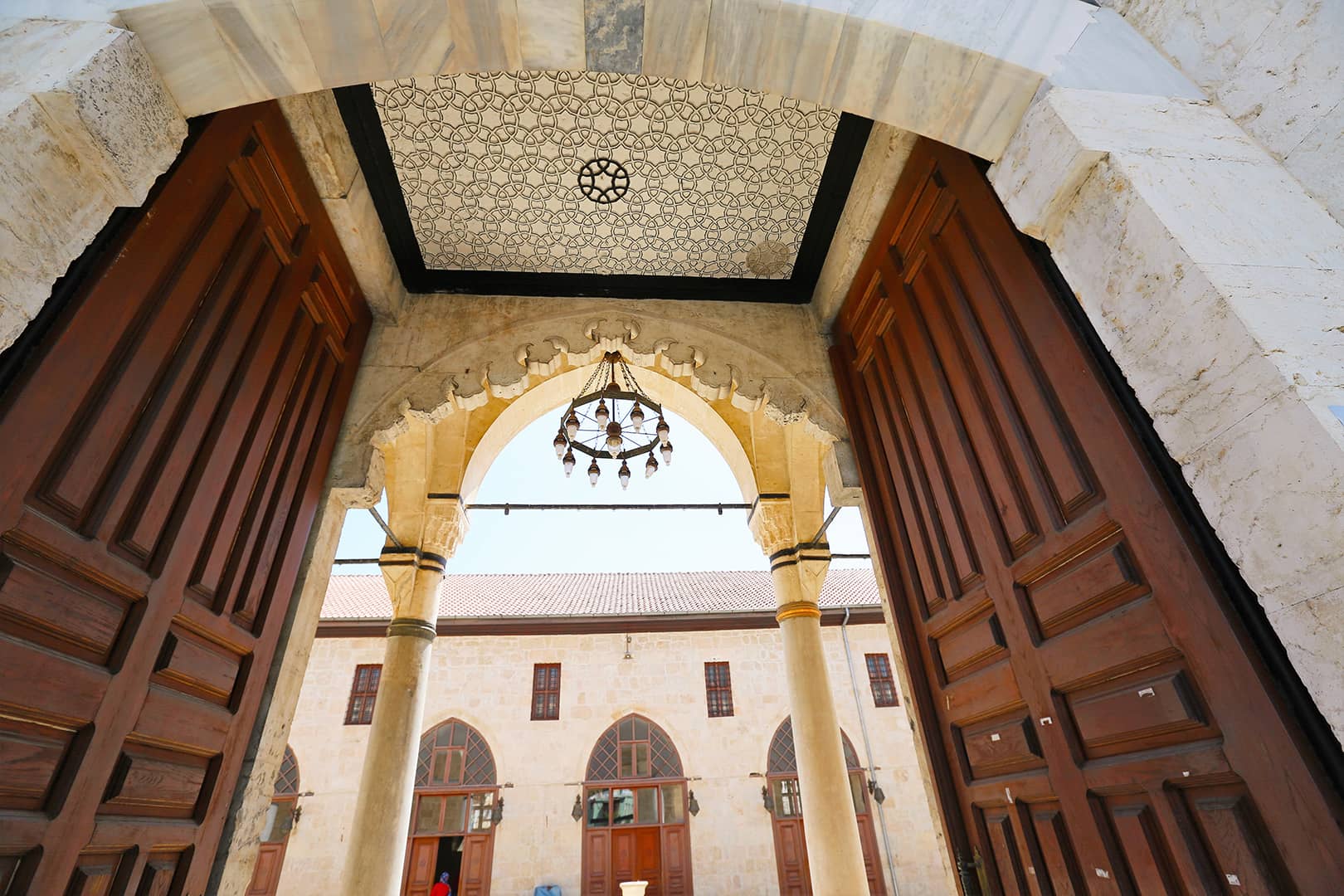
Tarsus Ulu Camii, the historic mosque at the heart of the old town.
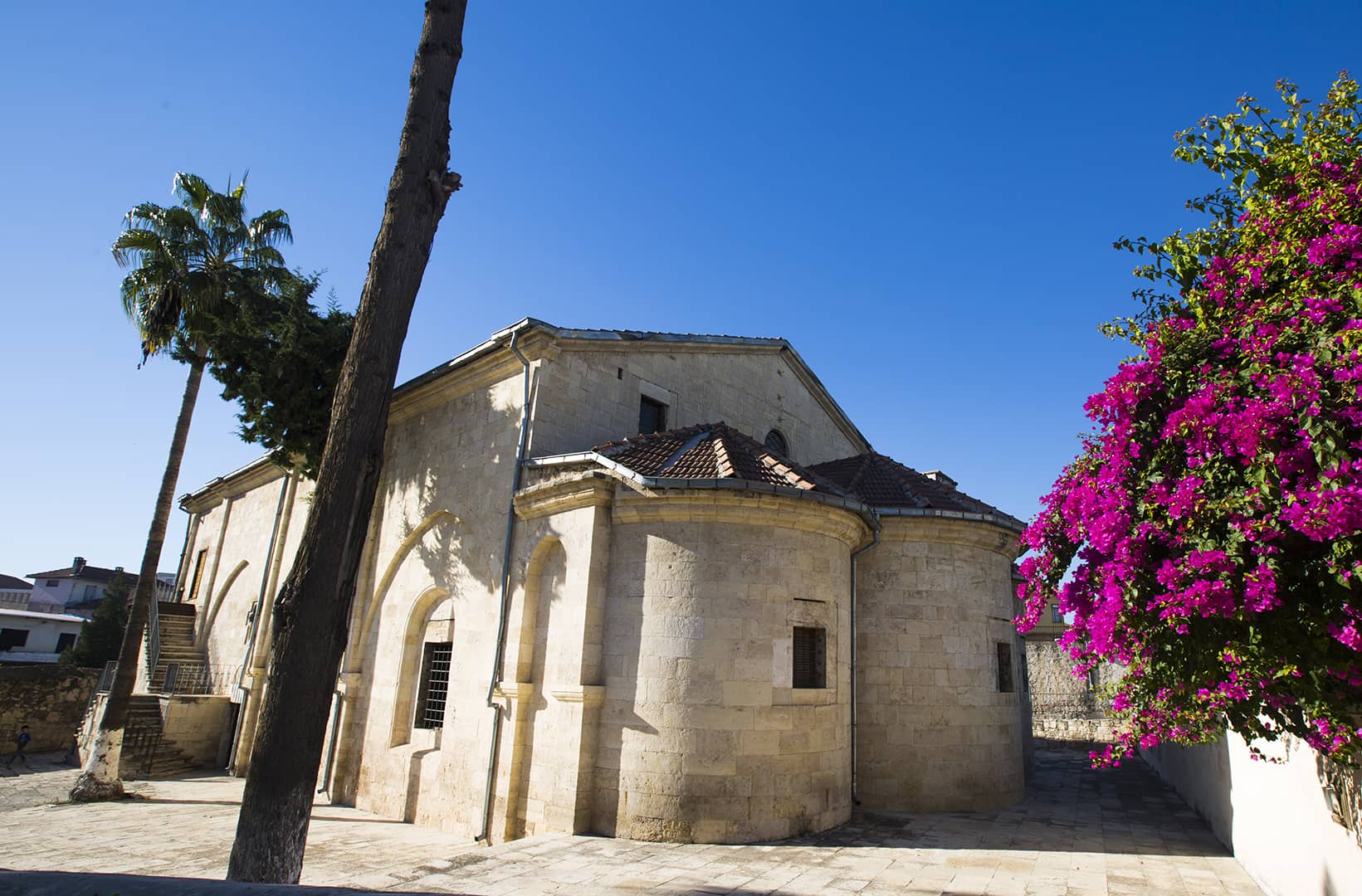
St. Paul's Well, in the garden of a house identified with the apostle's birthplace.
Cleopatra's Gate takes its name from a real historical meeting — in 41 BCE, Mark Antony met Cleopatra VII here during his struggle with Octavian, and local tradition holds she entered the city through this gate. The stone structure standing today, though, is believed — based on the masonry — to date from a medieval rebuilding rather than the original Roman gate itself: a case of a name outliving the exact building it's attached to.
St. Paul's Well, pictured above, sits in the garden of a house identified with the birthplace of the apostle Paul of Tarsus. A 1999 rescue excavation uncovered the well, still usable today, at 38 metres deep, alongside remains believed to belong to the house itself. It is on UNESCO's World Heritage Tentative List.
Kızkalesi — the castle in the sea
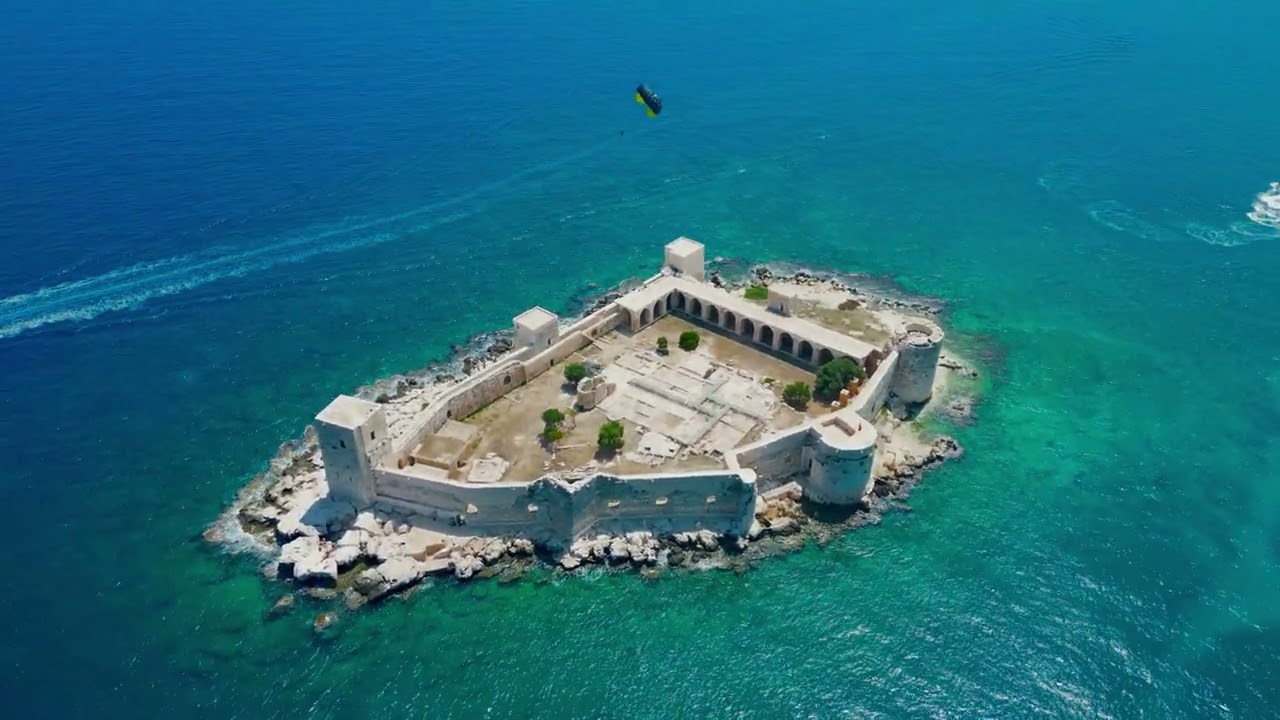
Along the coast toward Erdemli sits Kızkalesi — "Maiden's Castle" — built on a small island barely 300 metres offshore. It likely began as a Byzantine fortification and was substantially rebuilt in the 13th century by the Armenian kings of Cilicia, whose inscriptions still name Leon I and Hetum I; it later passed through Cypriot, Karamanid and Ottoman hands.
The name comes from a local legend, not a documented event: a fortune-teller warns a king his daughter will die from a snake bite, so he builds her a snake-free island fortress — only for a snake to reach her anyway, hidden in a basket of grapes sent from shore. It's a popular day trip from Mersin and one of the more photographed sights on this stretch of coast — worth checking the drive time on a map before you plan the day, since it depends on where along the coast you're headed.
Soli-Pompeiopolis — 11 km from the city center
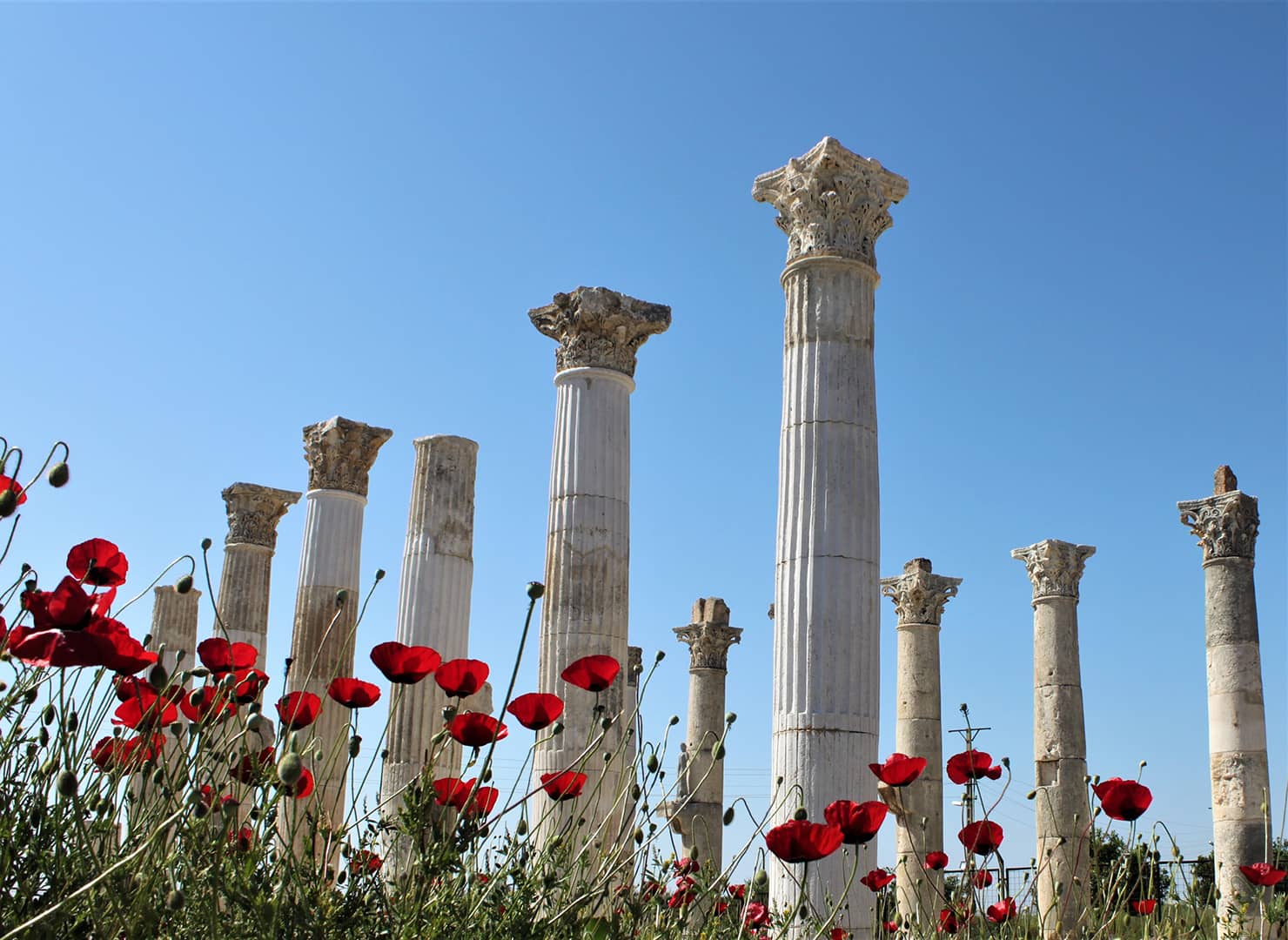
Founded around 700 BCE as a Rhodian colony, Soli was destroyed in the 1st century BCE and rebuilt by Pompey the Great, who resettled captured pirates here — hence its later name, Pompeiopolis. The emperor Hadrian visited in 130 CE and funded harbour works; what remains is a colonnaded street, a theatre, a Roman bath and traces of an aqueduct. An earthquake in 525 CE left the site abandoned, which is largely why it survives to be walked through today, in what is now Mersin's Mezitli district — usually without another visitor in sight.
Bazaars, and the city's citrus identity
Mersin's old covered market and its harbourside citrus trade are as much a part of the city as its ancient sites.
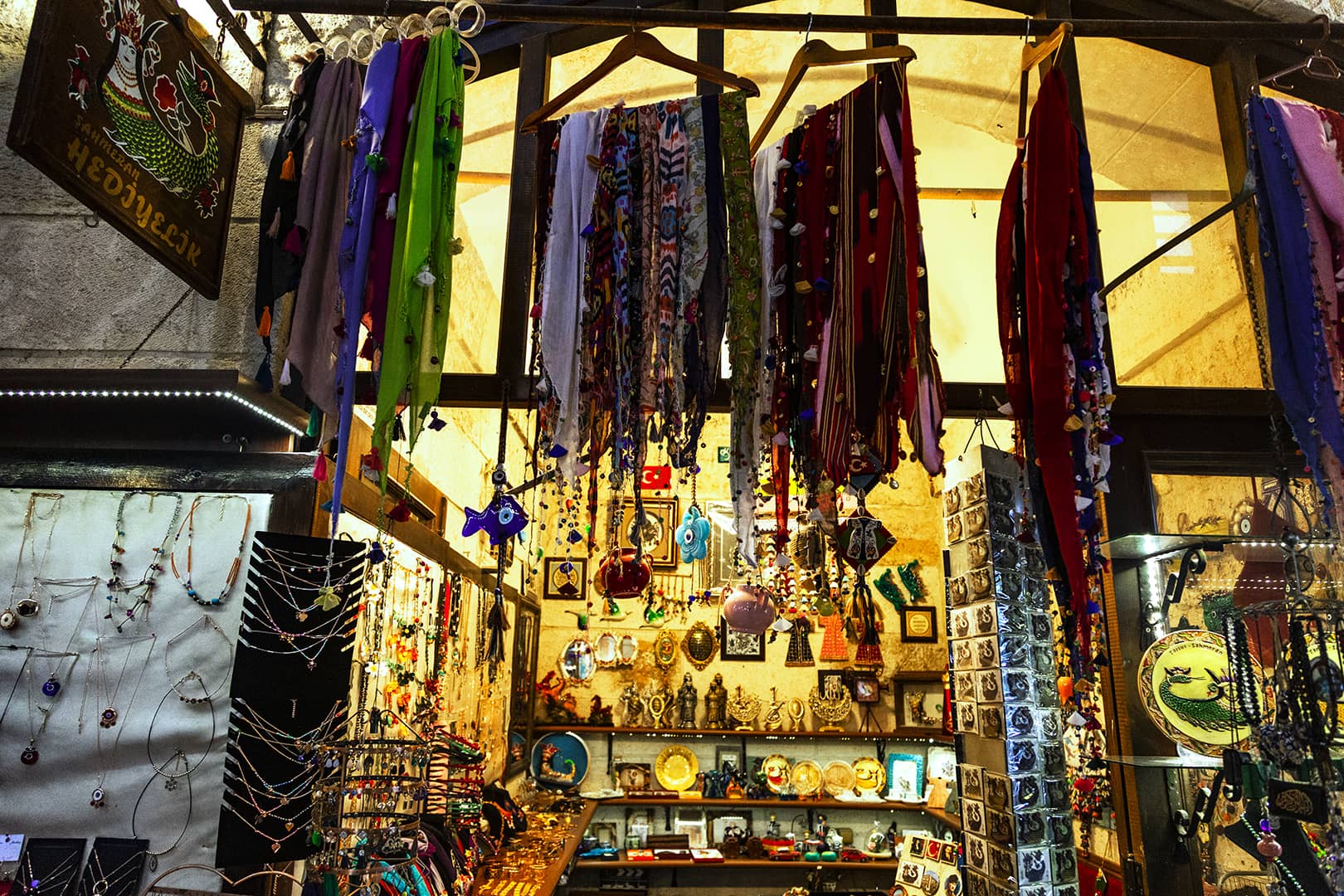
Kırk Kaşık Bedesten — a covered market dating to Mersin's 19th-century growth as a port city, its narrow lantern-lit alleys still lined with textiles, copperware and jewellery stalls.
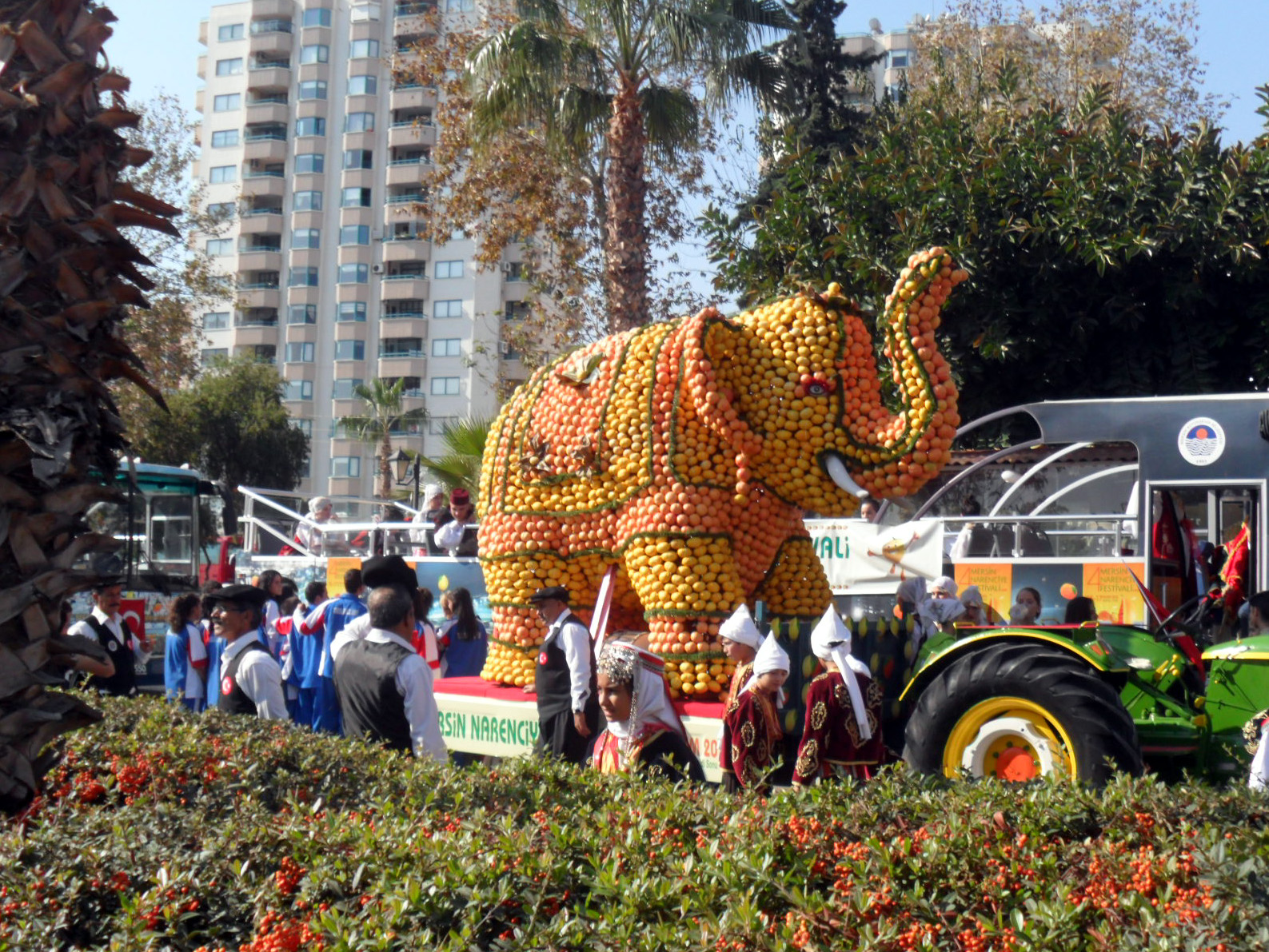
Photo: Nedim Ardoğa, via Wikimedia Commons, CC BY-SA 3.0
Mersin Citrus Festival, every November — citrus-fruit sculptures, folklore performances and the city's Narenciye Çarşısı (Citrus Market) stalls out in force. The Fish Market (Balık Pazarı), near the marina, is a quieter alternative any time of year.
Mersin province has more ancient sites than fit in a single afternoon. Two worth knowing about if you have an extra day, though neither is a quick trip — check the route on a map before you plan around them:
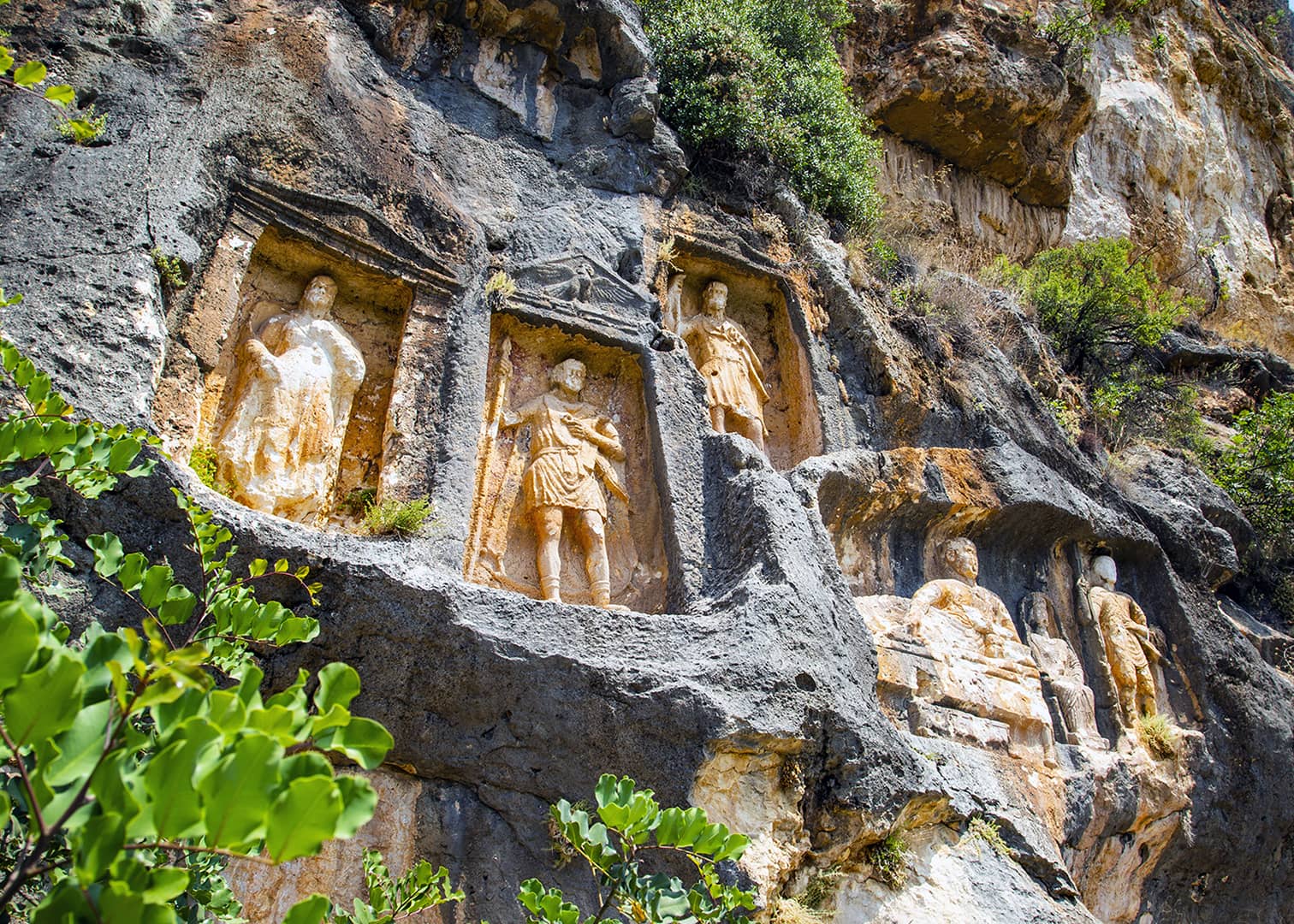
Adamkayalar — Roman-era figures carved directly into a cliff face, unlike anything else on this coast.
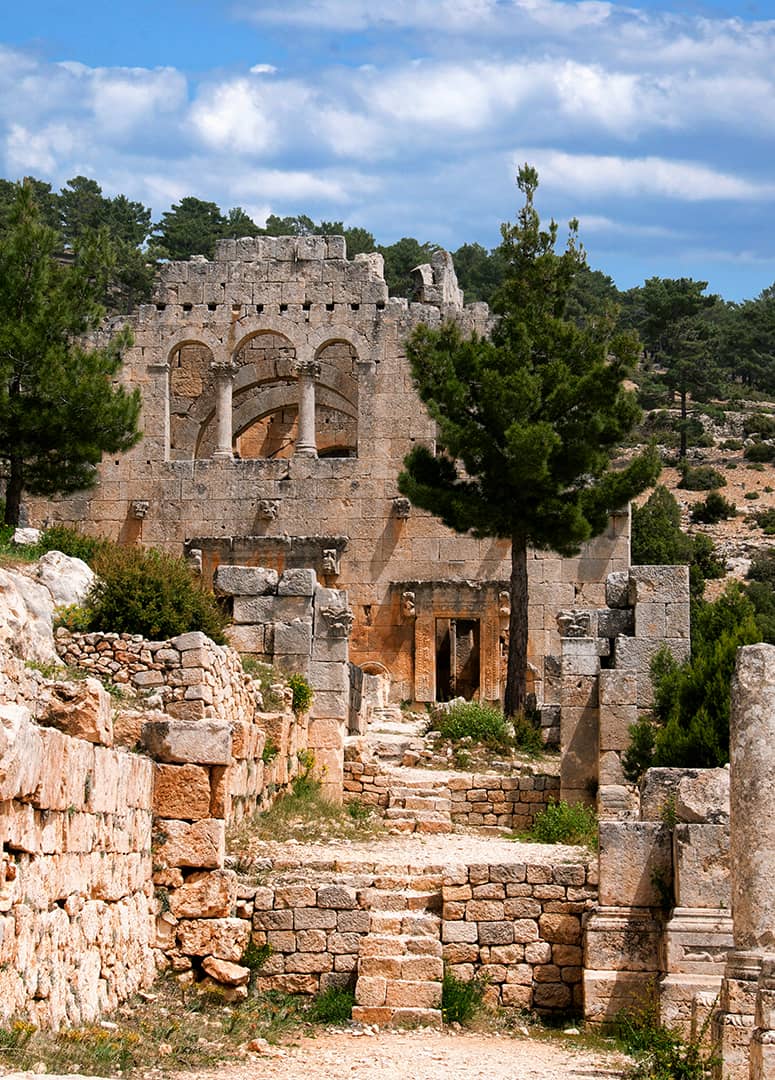
Alahan Monastery — a 5th-century Byzantine monastery in the Toros foothills, further inland.
Quick facts about Mersin
Before you arrive
Sort these two things well before departure — neither takes long, but neither should be left until the airport.
Visa & entry requirements
Citizens of the USA, UK, Canada, Australia and many EU countries need an e-Visa before arrival, applied for online — it's normally issued within minutes. Requirements and passport-validity rules vary by nationality, so check yours directly on the official site rather than relying on a general rule of thumb.
Official e-Visa site ↗Travel insurance
We recommend a policy covering medical expenses, trip cancellation and lost baggage for the duration of your stay.
Weather & packing
Our courses run across the year, so "what's the weather like" depends on when you're travelling — here's Mersin by season, plus a checklist you can actually tick off.
| Season | Typical range | What to expect |
|---|---|---|
| Spring (Mar–May) | Mild, warming | A comfortable transition season with occasional early-spring rain, turning sunnier and warmer through May. |
| Summer (Jun–Aug) | ~30–32°C avg. high | Hot, sunny and largely dry — this is the one clear contrast with İstanbul, where summers run noticeably cooler. Light clothing and sun protection matter. |
| Autumn (Sep–Nov) | ~21–30°C avg. high | Warm and sunny into September, cooling steadily to a mild late autumn by November. |
| Winter (Dec–Feb) | ~6–14°C | Mild by European standards but the wettest months of the year — a rain jacket earns its space in the suitcase. |
Documents
Clothing
Electronics
Health & money
Getting to the venue
Mersin has no international airport of its own — almost everyone arrives via Çukurova (Adana) Airport, about 70 km away.
| From | Best option | Approx. duration | Approx. cost |
|---|---|---|---|
| Çukurova Airport (ADA) | Shuttle bus to central Mersin | ~75 min | See current fares ↗ |
| Çukurova Airport (ADA) | Official metered taxi | ~60–70 min (traffic-dependent) | Metered fare, varies with traffic |
Once you're in Mersin, getting to the course center in Yenişehir is straightforward:
From central Mersin
Yenişehir sits right along the coast next to the Marina — a short taxi ride, or a walk along the seafront from most central hotels.
Public transport & Kentkart
Mersin's city buses run on the contactless Kentkart across some 70 routes, and dolmuş (shared minibuses) run frequent routes, especially around the otogar (bus terminal). There's no metro or tram — buses, dolmuş and taxis cover the city.
Taxis
Licensed, metered taxis are widely available and a practical way to reach the venue directly, especially with luggage.
Neighborhoods & accommodation
A few areas stand out for course participants:
| Neighborhood | Why stay here |
|---|---|
| Yenişehir | Home to the course center itself, the Marina and Atatürk Park — the most convenient base, with the university district and Forum Mersin mall nearby. |
| Mezitli | West of Yenişehir, quieter and closer to the beach — a calmer, more residential option, a short ride from the venue. |
| Akdeniz (city center) | The older commercial core around the port and train station — busier and more urban, with more everyday local life on show. |
Hotel options here lean business-class rather than resort-style, and prices vary with season and how far ahead you book — compare current listings for Mersin ↗. Staying in Yenişehir keeps travel to the course center to a minimum.
Money
Cards & ATMs
Credit/debit cards are widely accepted in hotels, restaurants and shops in central Mersin. ATMs are common in Yenişehir and Akdeniz — withdrawing TRY directly usually gives a better rate than exchanging cash.
Before you fly
Notify your bank you're travelling, so a card payment in Türkiye doesn't get blocked as suspicious. Carry a backup card if you have one.
Cash still matters
Smaller lokantas, market stalls and some taxis prefer cash — keep some TRY on you. City-centre exchange offices are generally better value than airport counters.
Tipping
10–15% in restaurants is standard, usually left in cash rather than added to a card payment. Rounding up for taxis is common and appreciated.
Safety & practical info
Mersin does not appear on the UK Foreign Office's list of areas in Türkiye with a specific travel warning — only parts of the southeast do (Hatay, Hakkâri and Ağrı provinces). As in any city, ordinary common sense covers most of the rest.
| Topic | Advice |
|---|---|
| General | Central areas (Yenişehir, the Marina, Atatürk Park) are comfortable to walk during the day; use normal city awareness after dark, as anywhere. |
| Taxis | Use official, metered taxis from a marked rank rather than an unmarked car. |
| Valuables | Keep bags and valuables close in busy areas like the otogar (bus terminal) and markets, as you would in any city. |
| Day trips | Kızkalesi, Tarsus and Soli-Pompeiopolis are all well-established, regularly visited sites — travel there as you would to any tourist destination, ideally in daylight. |
Culture & etiquette
Centuries as a trading port left Mersin more used to outsiders than many Turkish cities its size — it's an easy, unfussy place to be a visitor. A few of the same courtesies that apply across Türkiye are still worth knowing:
| Topic | Guidance |
|---|---|
| Mosques | Remove your shoes before entering, and dress modestly — worth keeping in mind if you visit Tarsus Ulu Camii or another mosque. |
| Greetings | "Merhaba" (hello) goes a long way. Politeness is valued — "lütfen" (please) and "teşekkür ederim" (thank you) are always appreciated. |
| Dress code | Casual dress is fine day to day; modest dress is expected in mosques and more conservative settings. |
| Dining | Meals are social and often unhurried — tipping is covered under Money above. |
| Photography | Always ask before photographing people directly. |
Mersin food & dining
A few dishes that are genuinely from this region, not just "Turkish food in general":
| Dish | What it is |
|---|---|
| Tantuni | Thin-sliced meat, quickly cooked on a griddle with cottonseed oil and rolled into flatbread — sold from street stands across the city. It's specific enough to Mersin that "Mersin Tantunisi" holds an official Turkish geographical-indication registration. |
| Cezerye | A carrot, nut and molasses sweet rolled in coconut — one of Mersin's best-known desserts. |
| Şalgam suyu | A tart, spiced fermented turnip-and-carrot drink from the wider Çukurova region — especially Adana, Mersin and Tarsus — traditionally drunk alongside tantuni or grilled meat. |
| Citrus, fresh | Mersin is citrus country — oranges, lemons and mandarins are genuinely local rather than shipped in, especially in season. |
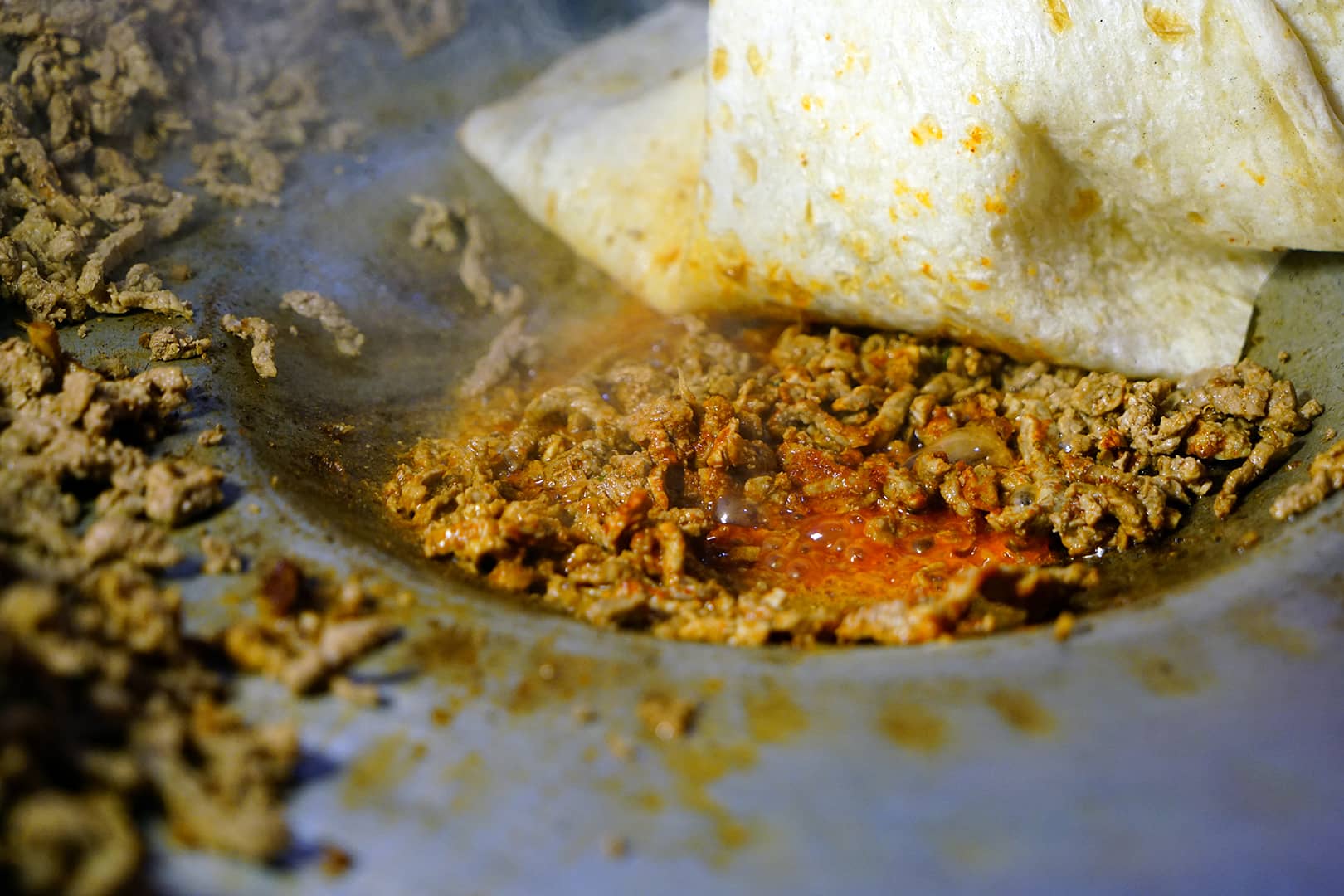
Beyond these local specialities, the wider Turkish classics — lahmacun, künefe, meze — are easy to find throughout the city too.
Next confirmed sessions at this center.
We arrange tailor-made Erasmus+ sessions on demand — tell us your preferred topic and travel window and we'll schedule it.