
EMA Antalya
Courses at this center are open to participants travelling from a country other than Türkiye — a core requirement of Erasmus+ mobility.
Course topics running at this center.
Antalya is a city where the sea, sun, history and nature commune in harmony. Ancient cities, the sea, sun, beach, forest — all are parts of this integrity.
“Undoubtedly, Antalya is the most beautiful place in the world.”
Let’s take a small tour of Antalya
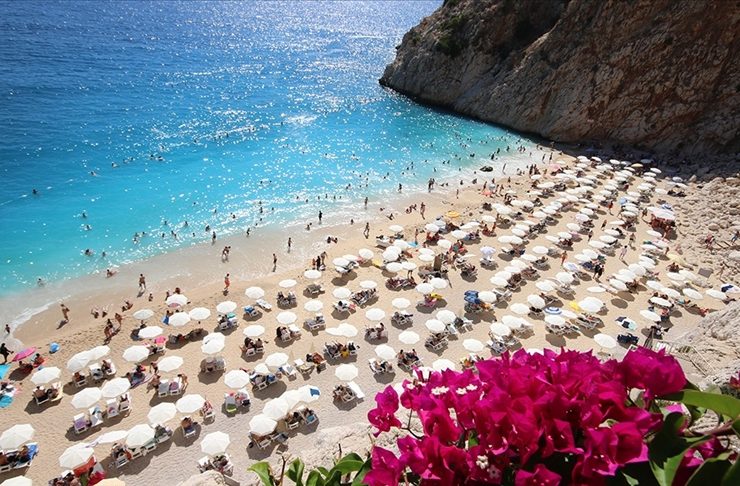
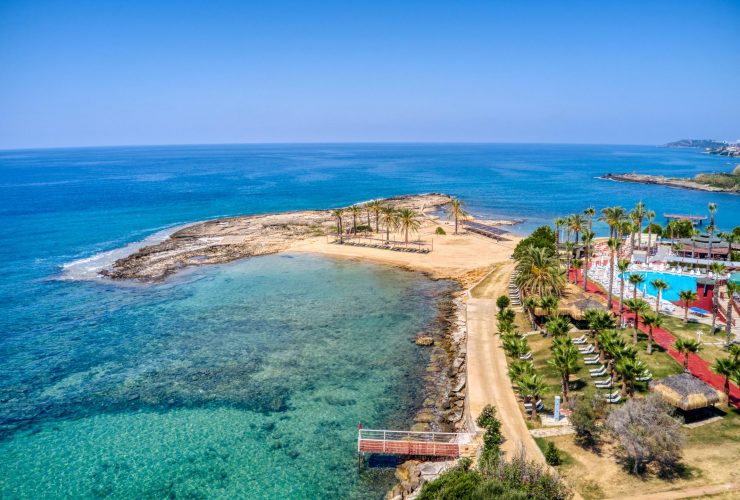
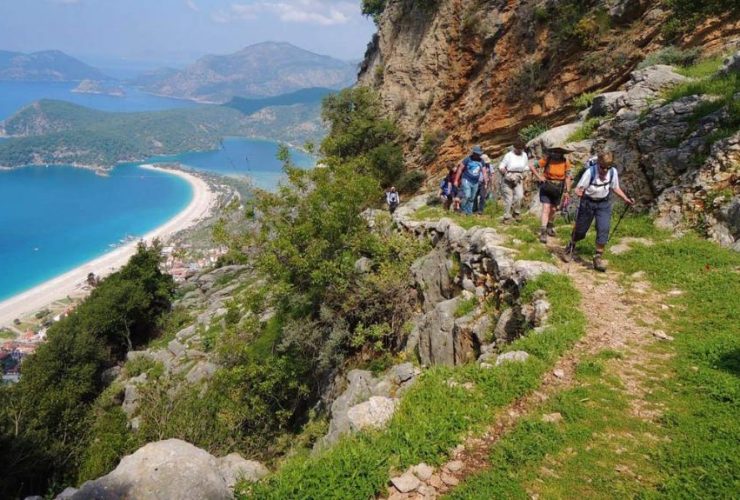
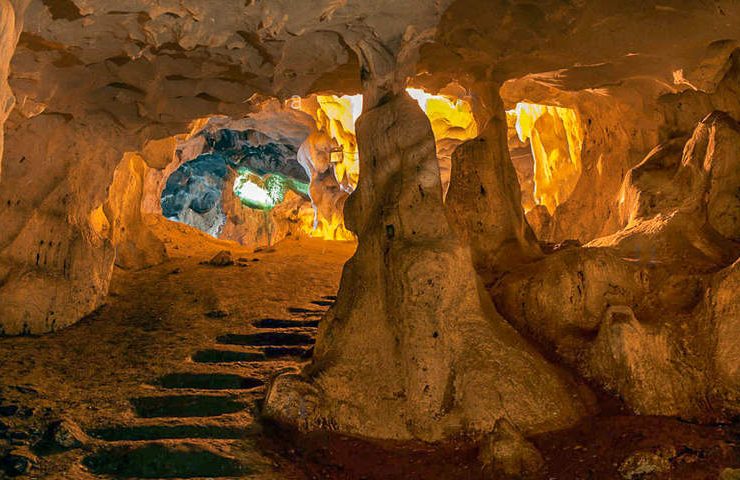
Antalya is one of the most visited cities in the world, and of course there are dozens of reasons for this. Those who love the sea, sand and sun, and those who want to get lost in nature, can find dozens of options in Antalya — with its 640-kilometre coastline stretching along the Mediterranean and the Toros Mountains running parallel to the coast.
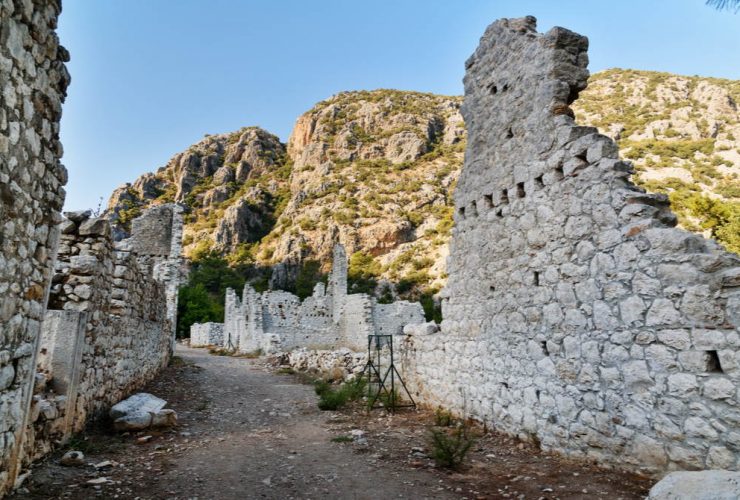
In the far west, on the Teke Peninsula, lies the ancient city of Patara, one of the most important cities of the Lycian Civilization. As you move east you find nature in the bays of Demre and traces of ancient civilizations at every corner. Kaş is one of the few diving centres in the world; Kemer is home to luxury resorts and the magnificent Tahtalı Mountain. Kaleiçi, the centre of Antalya, brings together the ancient city of Attaleia — one of the most important medieval ports in the Eastern Mediterranean — the traces of the Seljuks and natural-wonder cliffs.
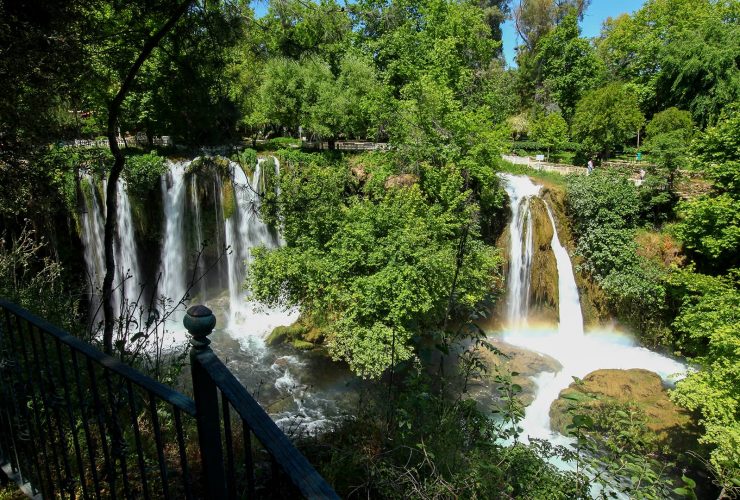
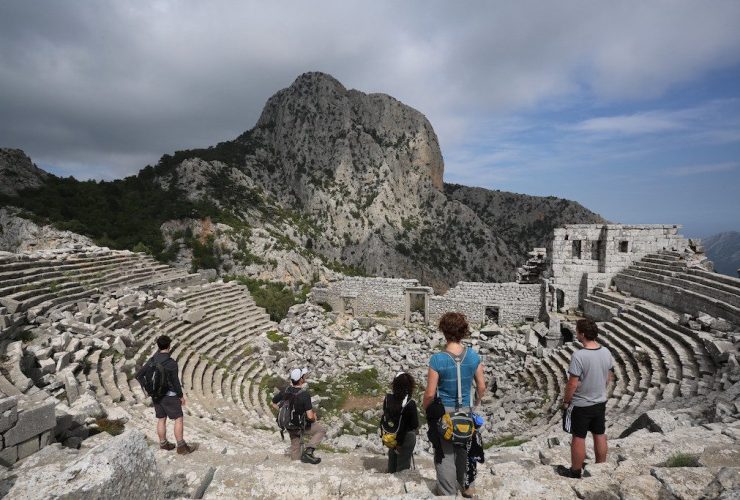
The ancient city of Perge was an important stop on St. Paul’s journeys and a major Pamphylian port. Belek is one of the world’s leading golf centres; a little to the north stands the Aspendos theatre, one of the best-preserved ancient theatres in the world. There is also the Manavgat Waterfall, the Temple of Apollo and the seaside ancient city of Side — a cultural richness a single day is not enough to explore. With its pine forests and waterfalls, Alanya lies in the far east with its historic castle reaching into the sea.
Come and discover Antalya, the historical city of the Mediterranean surrounded by the Toros Mountains — by seeing, hearing, tasting, feeling and listening!
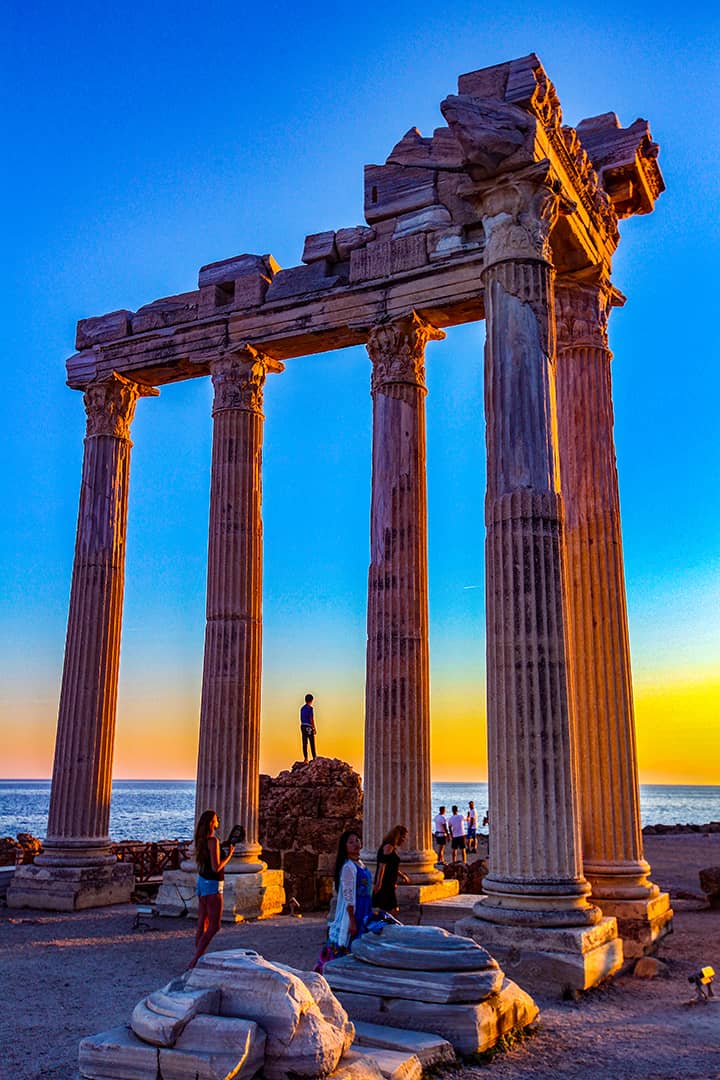
10 best things to do in Antalya
The list you make to fully explore Antalya will probably contain more than ten items. These ten are a selection from dozens of options — add and subtract as you wish!
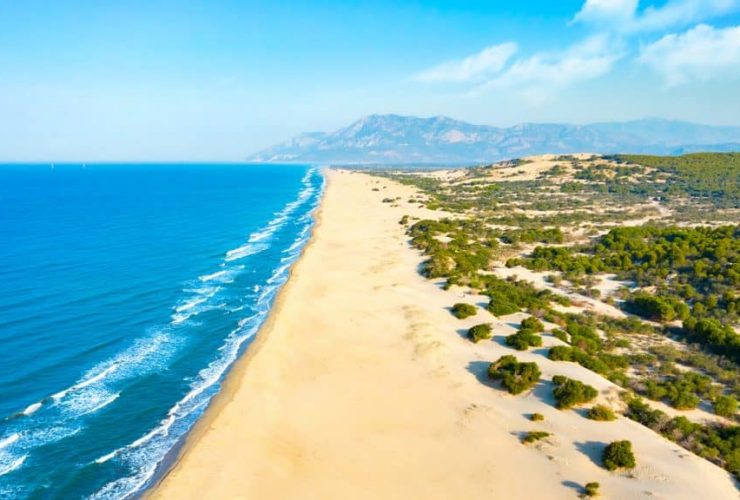
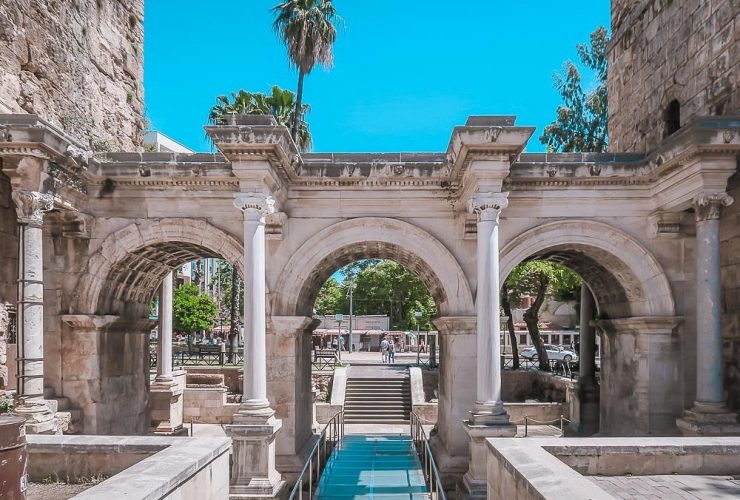
Quick facts about Antalya
Before you arrive
Sort these two things well before departure — neither takes long, but neither should be left until the airport.
Visa & entry requirements
Citizens of the USA, UK, Canada, Australia and a number of other nationalities need an e-Visa before arrival — most EU passport holders can enter visa-free for short stays, but requirements vary by nationality, so check yours directly on the official site rather than relying on a general rule of thumb.
Official e-Visa site ↗Travel insurance
We recommend a policy covering medical expenses, trip cancellation and lost baggage for the duration of your stay.
Weather & packing
Our courses run across the year, so "what's the weather like" depends on when you're travelling — here's Antalya by season, plus a checklist you can actually tick off.
| Season | Typical range | What to expect |
|---|---|---|
| Spring (Mar–May) | Mild, warming | A comfortable transition season, turning increasingly sunny and warm through May — one of the pleasantest times to be outdoors here. |
| Summer (Jun–Sep) | ~29–34°C, July hottest | Hot, sunny and almost entirely dry — Antalya's summer contrast with cooler European cities is sharper than most of our other centres. Light clothing and sun protection matter. |
| Autumn (Oct–Nov) | Cooling, still warm | Sea and air stay warm well into October before a milder late autumn sets in. |
| Winter (Dec–Feb) | ~10–15°C | Mild by European standards but the wettest stretch of the year — December alone sees the bulk of it, so a rain jacket is worth packing. |
Documents
Clothing
Electronics
Health & money
Getting to the venue
Antalya Airport (AYT) is right on the city's doorstep — the fastest option (taxi) takes about 30 minutes to the Konyaaltı course center, with a couple of slower, cheaper ways to make the trip too.
| From | Best option | Approx. duration | Approx. cost |
|---|---|---|---|
| Antalya Airport (AYT) | Havaş shuttle bus to central Antalya | ~35 min | See current fares ↗ |
| Antalya Airport (AYT) | ANTAS public bus (Route 600) to Konyaaltı | ~60 min | See current fares ↗ |
| Antalya Airport (AYT) | Official metered taxi | ~30 min (traffic-dependent) | Metered fare, varies with traffic |
Once you're in Antalya, getting to the course center in Konyaaltı is straightforward:
From central Antalya
Konyaaltı sits along the western coast, home to Akdeniz University — a short tram or taxi ride from Kaleiçi and the wider city centre.
Antray tram & Antalyakart
The Antray light-rail line runs a direct route connecting the airport corridor to the city centre, alongside a separate heritage "Nostalgic Tram" through the old town. Antalyakart, the city's unified transport card, covers tram, bus and dolmuş across the network at a lower fare than paying cash.
Taxis
Licensed, metered taxis are widely available and a practical way to reach the venue directly, especially with luggage.
Neighborhoods & accommodation
A few areas stand out for course participants:
| Neighborhood | Why stay here |
|---|---|
| Konyaaltı | Home to the course center and Akdeniz University — greener and quieter than the city centre, with its own long beach and good tram/bus links. |
| Lara | The city's eastern beach resort strip — big hotels, a livelier nightlife scene and upmarket restaurants, though a longer ride to the venue. |
| Kaleiçi (Old Town) | Antalya's historic centre by the old harbour — cobbled lanes and Ottoman-era houses, atmospheric but less central for day-to-day logistics. |
| Muratpaşa | One of Antalya's oldest and busiest districts, with the widest range of hotels at every price point and easy access across the city. |
Hotel prices vary widely with season — Antalya is a major summer resort destination, so July–August rates run higher than shoulder-season months. Compare current listings for Antalya ↗. Staying in Konyaaltı keeps travel to the course center to a minimum.
Money
Cards & ATMs
Credit/debit cards are widely accepted in hotels, restaurants and shops across central Antalya. ATMs are common in Konyaaltı and Muratpaşa — most offer an English-language menu and withdrawing TRY directly usually gives a better rate than exchanging cash.
Before you fly
Notify your bank you're travelling, so a card payment in Türkiye doesn't get blocked as suspicious. Carry a backup card if you have one.
Cash still matters
Smaller lokantas, market stalls and some taxis prefer cash — keep some TRY on you. City-centre exchange offices are generally better value than airport counters.
Tipping
10% in restaurants is a reasonable standard, usually left in cash — most card machines in Türkiye don't support adding a tip. Rounding up for taxis is common and appreciated.
Safety & practical info
Antalya does not appear on the UK Foreign Office's list of areas in Türkiye with a specific travel warning — only parts of the southeast do (Hatay, Hakkâri and Ağrı provinces), along with the immediate area around the Syrian border. As in any major resort city, ordinary common sense covers most of the rest.
| Topic | Advice |
|---|---|
| General | Central areas (Konyaaltı, Kaleiçi, Muratpaşa) are comfortable to walk during the day; use normal city awareness after dark, as anywhere. |
| Taxis | Use official, metered taxis from a marked rank rather than an unmarked car. |
| Valuables | Keep bags and valuables close in crowded areas like the old harbour and bazaars, as you would in any city. |
| Wildfire season | Like much of the Mediterranean, the wider region can see wildfire risk in the hot, dry summer months (roughly April–October) — follow any local advisories if you're heading out to the forested areas around the city. |
Culture & etiquette
Decades as one of Europe's biggest resort destinations make Antalya an easy, familiar place for visitors — beachwear is entirely normal by the water. A few of the same courtesies that apply across Türkiye are still worth knowing away from the beach:
| Topic | Guidance |
|---|---|
| Mosques | Remove your shoes before entering, and dress modestly — shoulders and knees covered. |
| Greetings | "Merhaba" (hello) goes a long way. Politeness is valued — "lütfen" (please) and "teşekkür ederim" (thank you) are always appreciated. |
| Dress code | Casual and beachwear are fine along the coast; modest dress is expected in mosques and more conservative settings inland. |
| Hospitality | Tea (çay) is Türkiye's universal welcome ritual — accepting the first offer is a nice way to start a conversation. |
| Photography | Always ask before photographing people directly. |
Antalya food & dining
A few dishes that are genuinely from this region, not just "Turkish food in general":
| Dish | What it is |
|---|---|
| Tahinli piyaz | Antalya's signature dish — white beans, onion, parsley and egg dressed with a tahini, lemon, garlic, olive oil, vinegar and cumin sauce. Holds an official Turkish geographical-indication registration since 2017. |
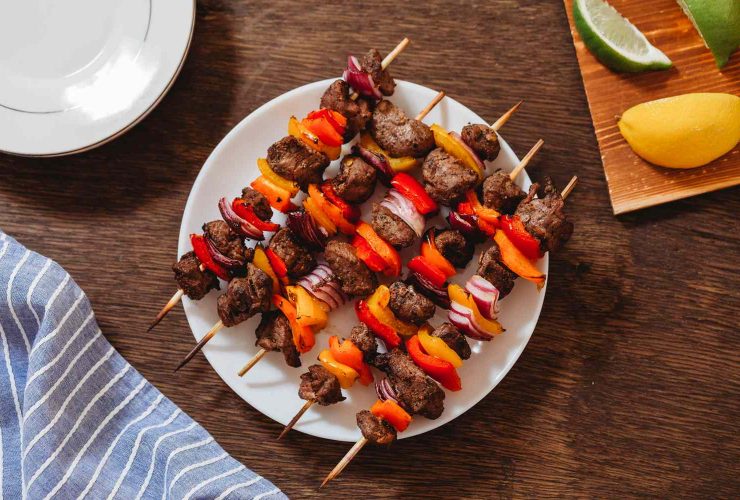
| Şiş köfte | Grilled meatball skewers, usually served with flatbread, sumac onions and — fittingly — a side of piyaz. |
| Dil tava | Pan-fried cubes of beef tongue, served hot as a distinctive Antalya tava-style dish. |
| Hibeş | A tahini, lemon, garlic and cumin dip served with bread — a common Antalya meze. |
| Tandır kebabı | Lamb slow-cooked for hours in a clay oven, served with bulgur pilaf and vegetables — another Antalya specialty worth seeking out. |
Beyond these local specialities, the wider Turkish classics — lahmacun, künefe, meze — are easy to find throughout the city too.
Next confirmed sessions at this center.
We arrange tailor-made Erasmus+ sessions on demand — tell us your preferred topic and travel window and we'll schedule it.