
Strategies for CyberBullying Prevention and Response

The act of cyberbullying is defined as when someone bullies through electronic means such as cell phones, computers, and tablets. The act of bullying includes posting, commenting, threatening, and messaging inconvenient, harmful, negative, or abusive content. Due to the dramatic increase in digital activities and usage of social media (Facebook, Instagram, Twitter, Snap Chat, Twitter, etc.), the risks of exposure to cyberbullying for children and teenagers are critically high. Because it usually occurs through SMS, direct messages, game applications, or online forums. Some acts of cyberbullying are subject to unlawful and criminal activities too. Therefore, this course targets providing teachers’ development on the issue.

Read More

For Teachers: New Strategies For A Positive And Happy School

“When you create a positive classroom atmosphere, students learn better. Every student must feel safe and important in the class in order for maximum learning to take place. A positive classroom environment does not just happen; the teacher creates it.”  Ministry of Education, Guyana, Venezuela.

             Positive, productive learning environments are key to students’ academic, emotional and social success at school. Unfortunately, positive learning environments do not occur, they must be created. Creating a positive learning environment for students has a lot going for it. For new beginnings, positive learning environments should provide a safe environment where risk-taking is encouraged, open and authentic conversations are encouraged, trust and respect are encouraged, and positive interaction is the norm.

Happiness is subjective and the definition may change according to culture but common to schools is that they can support the well-being of individuals, families and communities. A happy school is a place where the principles of compassion, communication, and community-building are priorities.

Principles greater mindset changes and realization of people, process, and place measures.

Read More

Soft Skills for Strong Teachers and Positive Schools

The “Soft Skills for Strong Teachers” Erasmus Plus course aims to equip educators with essential “soft skills” to effectively communicate, enhance leadership abilities, and better support students in their educational journey.

This course provides participants with an interactive learning experience, enabling them to explore various tools and strategies to strengthen their teaching skills. It also fosters opportunities for experience sharing and collaboration among participants.

Course Objectives:

  • Strengthening Communication Skills: Participants will work on different communication strategies, active listening techniques, and feedback methods to enhance their effective communication skills. This will aid in establishing better communication with students both inside and outside the classroom.
  • Developing Leadership Skills: Participants will focus on leadership approaches, motivation strategies, and problem-solving techniques to enhance their abilities in guiding students. This will facilitate better classroom management and encourage student engagement.
  • Empowering Student Support Systems: Participants will explore support strategies and methods tailored to different student profiles. This will enable the use of customized teaching methods to meet diverse student needs.
  • Promoting Collaboration and Sharing: Participants will collaborate to enrich the learning environment through experience sharing and cooperation. International learning experiences will be facilitated through the exchange of cultural and pedagogical knowledge among teachers from different countries.
Read More

Digital Tools for an Innovative Classroom

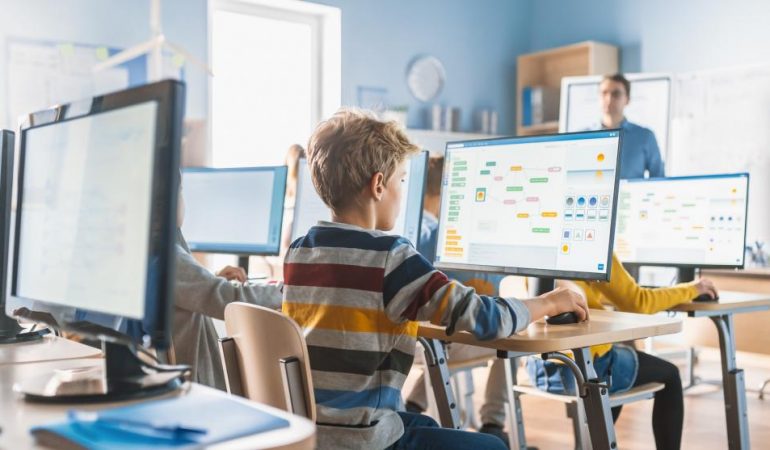
The use of Information and Communication Technologies (ICT) in education can significantly contribute to a quality education and its effectiveness. This course is planned for teachers of all disciplines who want to increase their competence in using technology in the classroom. All participants aiming to use open educational resources, gain new skills, create an exemplary course and raise awareness about the possible disadvantages of ICT in education

COURSE GAINS

  • Understanding and building ICT/Digital education culture in your institution
  • Providing a conducive learning environment that will combine your existing knowledge and experience and with a good mix of theoretical and practical knowledge
  • Ability to use the most effective and favorite mobile applications
  • Effective use of cooperation and communication with other stakeholders in the use of ICT in education
Read More

Digital Tools for Students with Special Needs

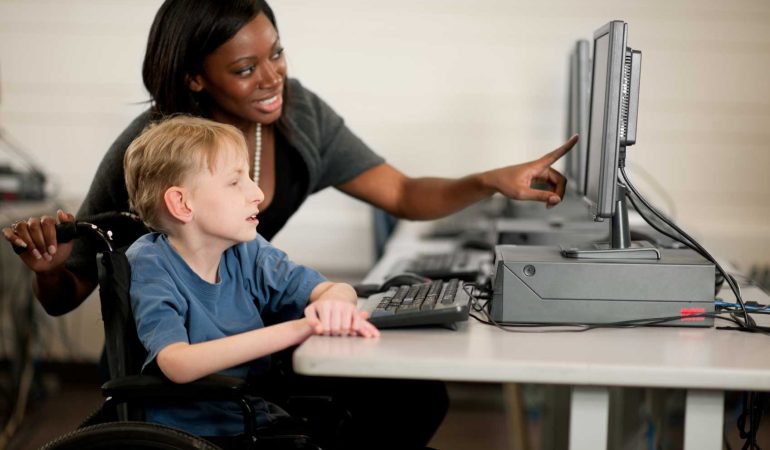
The “Digital Tools for Students with Special Needs” course is a training program that aims to provide teachers with the ability to create educational materials suitable for their students’ specific needs using digital tools. This course enables students to learn how to use digital tools in accordance with their different learning styles and specific needs.

This course covers a range of topics involving the use of technology to meet students’ specific needs in the learning process. These include online tools and apps suitable for students with special needs, digital tools such as audiobooks, special apps and games. These tools attract students’ attention, increase their motivation and reduce difficulties in the learning process.

Read More

Environmental Sustainability and Education

This Erasmus course on environmental sustainability and education is aimed at teachers and education staff who want to improve their knowledge and skills in this field and leave a livable world to future generations. With this course, you will have the opportunity to learn what environmental sustainability is, its basic concepts, how it affects people, what it means for the future, what can be done in education, what innovative approaches are, and see sample schools and classrooms.

As an educator, environmental sustainability education can provide many benefits for our students, including better understanding of the environment, a more sensitive approach to the environment, sustainable lifestyles, innovation, and new applications. This way, we can fulfill our responsibility and contribute to a livable future.

Read More

Strategies for CyberBullying Prevention and Response

The act of cyberbullying is defined as when someone bullies through electronic means such as cell phones, computers, and tablets. The act of bullying includes posting, commenting, threatening, and messaging inconvenient, harmful, negative, or abusive content. Due to the dramatic increase in digital activities and usage of social media (Facebook, Instagram, Twitter, Snap Chat, Twitter, etc.), the risks of exposure to cyberbullying for children and teenagers are critically high. Because it usually occurs through SMS, direct messages, game applications, or online forums. Some acts of cyberbullying are subject to unlawful and criminal activities too. Therefore, this course targets providing teachers’ development on the issue.

Read More

Digital Tools for an Innovative Classroom

The use of Information and Communication Technologies (ICT) in education can significantly contribute to a quality education and its effectiveness. This course is planned for teachers of all disciplines who want to increase their competence in using technology in the classroom. All participants aiming to use open educational resources, gain new skills, create an exemplary course and raise awareness about the possible disadvantages of ICT in education

Read More

Environmental Sustainability and Education

This Erasmus+ course on environmental sustainability and education is aimed at teachers and education staff who want to improve their knowledge and skills in this field and leave a livable world to future generations. With this course, you will have the opportunity to learn what environmental sustainability is, its basic concepts, how it affects people, what it means for the future, what can be done in education, what innovative approaches are, and see sample schools and classrooms.

As an educator, environmental sustainability education can provide many benefits for our students, including better understanding of the environment, a more sensitive approach to the environment, sustainable lifestyles, innovation, and new applications. This way, we can fulfill our responsibility and contribute to a livable future.

Read More

Inclusive Education and Special Needs

Inclusive education is the most effective way to give all children a fair chance to go to school, learn and develop the skills they need to thrive. Inclusive education means all children in the same classes and schools. This means real learning opportunities for traditionally excluded groups, not only for children with disabilities but also for speakers of minority languages.

Inclusive systems value the unique contributions students from all backgrounds bring to the classroom and allow diverse groups to grow side-by-side for the benefit of all. In inclusive education, the participation of all individuals in the educational content at school is crucial and is one of the priorities of the Erasmus+ program. Therefore, we invite all trainers who want to increase their skills in this subject to benefit from this course.

Read More