
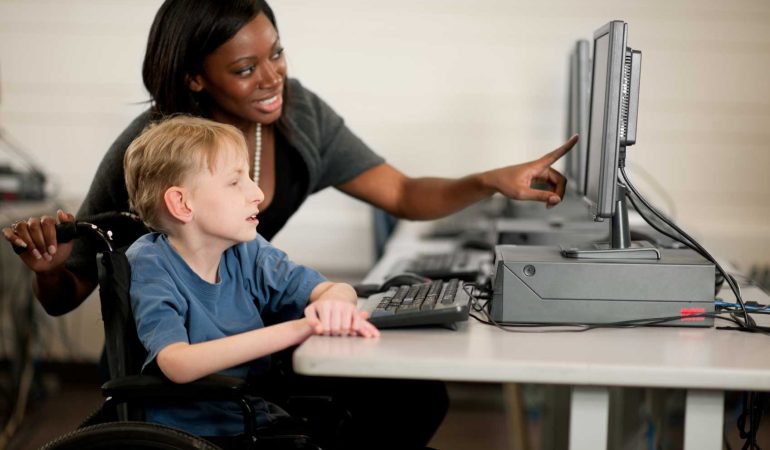
Digital Tools for Students with Special Needs

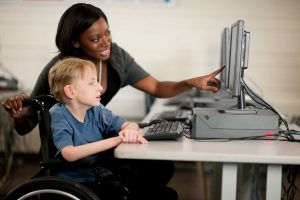
The “Digital Tools for Students with Special Needs” course is a training program that aims to provide teachers with the ability to create educational materials suitable for their students’ specific needs using digital tools. This course enables students to learn how to use digital tools in accordance with their different learning styles and specific needs.

This course covers a range of topics involving the use of technology to meet students’ specific needs in the learning process. These include online tools and apps suitable for students with special needs, digital tools such as audiobooks, special apps and games. These tools attract students’ attention, increase their motivation and reduce difficulties in the learning process.

Read More

Digital Tools for Students with Special Needs

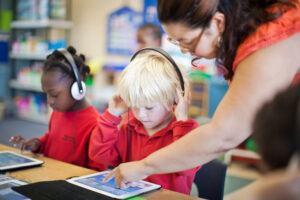
The “Digital Tools for Students with Special Needs” course is a training program that aims to provide teachers with the ability to create educational materials suitable for their students’ specific needs using digital tools. This course enables students to learn how to use digital tools in accordance with their different learning styles and specific needs.

This course covers a range of topics involving the use of technology to meet students’ specific needs in the learning process. These include online tools and apps suitable for students with special needs, digital tools such as audiobooks, special apps and games. These tools attract students’ attention, increase their motivation and reduce difficulties in the learning process.

Read More

Digital Tools for Students with Special Needs

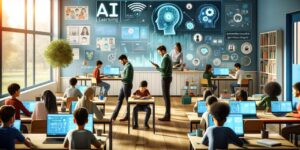
The “Digital Tools for Students with Special Needs” course is a training program that aims to provide teachers with the ability to create educational materials suitable for their students’ specific needs using digital tools. This course enables students to learn how to use digital tools in accordance with their different learning styles and specific needs.

This course covers a range of topics involving the use of technology to meet students’ specific needs in the learning process. These include online tools and apps suitable for students with special needs, digital tools such as audiobooks, special apps and games. These tools attract students’ attention, increase their motivation and reduce difficulties in the learning process.
Read More

Strategies for CyberBullying Prevention and Response

The act of cyberbullying is defined as when someone bullies through electronic means such as cell phones, computers, and tablets. The act of bullying includes posting, commenting, threatening, and messaging inconvenient, harmful, negative, or abusive content. Due to the dramatic increase in digital activities and usage of social media (Facebook, Instagram, Twitter, Snap Chat, Twitter, etc.), the risks of exposure to cyberbullying for children and teenagers are critically high. Because it usually occurs through SMS, direct messages, game applications, or online forums. Some acts of cyberbullying are subject to unlawful and criminal activities too. Therefore, this course targets providing teachers’ development on the issue.

Read More

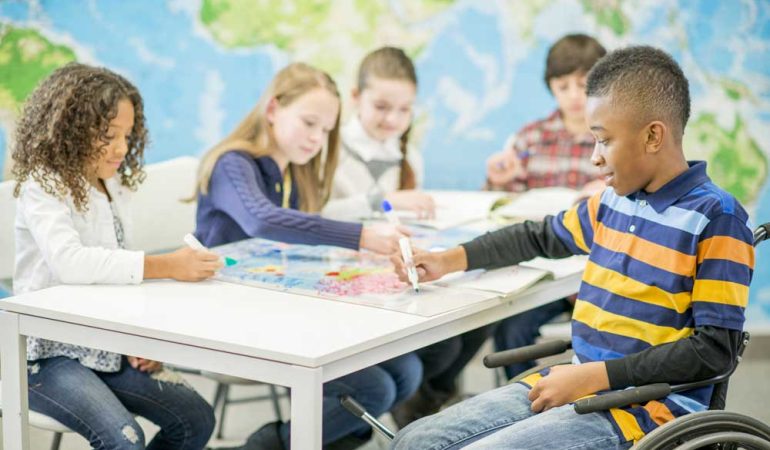
Inclusive Education and Special Needs

Inclusive education is the most effective way to give all children a fair chance to go to school, learn and develop the skills they need to thrive. Inclusive education means all children in the same classes and schools. This means real learning opportunities for traditionally excluded groups, not only for children with disabilities but also for speakers of minority languages.

Inclusive systems value the unique contributions students from all backgrounds bring to the classroom and allow diverse groups to grow side-by-side for the benefit of all. In inclusive education, the participation of all individuals in the educational content at school is crucial and is one of the priorities of the Erasmus+ program. Therefore, we invite all trainers who want to increase their skills in this subject to benefit from this course.

Read More

Refugees, Migration and Education

The world currently faces the critical issue of displaced people from different countries, including Syria, Afghanistan, Africa, and Ukraine. They have to leave their country of origin for various reasons (civil wars, invasion, environmental problems, etc.) Therefore, neighboring countries and other countries faced the burden and challenges of worldwide displacement.

Read More

Inclusive Education and Special Needs

Inclusive education is the most effective way to give all children a fair chance to go to school, learn and develop the skills they need to thrive. Inclusive education means all children in the same classes and schools. This means real learning opportunities for traditionally excluded groups, not only for children with disabilities but also for speakers of minority languages.

Read More

Inclusive Education and Special Needs

Inclusive education is the most effective way to give all children a fair chance to go to school, learn and develop the skills they need to thrive. Inclusive education means all children in the same classes and schools. This means real learning opportunities for traditionally excluded groups, not only for children with disabilities but also for speakers of minority languages.

Inclusive systems value the unique contributions students from all backgrounds bring to the classroom and allow diverse groups to grow side-by-side for the benefit of all. In inclusive education, the participation of all individuals in the educational content at school is crucial and is one of the priorities of the Erasmus+ program. Therefore, we invite all trainers who want to increase their skills in this subject to benefit from this course.

Read More

Inclusive Classrooms: Educating Students with ASD and ADHD

This course aims to provide educators with inclusive strategies for teaching students with Autism Spectrum Disorder (ASD) and Attention Deficit Hyperactivity Disorder (ADHD). In alignment with the 2021-2027 Erasmus+ Programme’s priorities on inclusion and diversity, the course will help teachers manage classroom diversity and address the individual learning needs of students with ASD and ADHD through effective classroom management and teaching strategies.
Through hands-on activities, student-centered approaches, and cognitive-behavioral strategies, educators will learn how to better understand and support the learning processes of students with ASD and ADHD. Participants will also learn how to use various digital tools and classroom management techniques to meet the needs of these students.

Course Methodology

The course will be delivered using an activity-based, hands-on, and collaborative methodology. Educators will learn theoretical information about how to respond to the individual needs of students with ASD and ADHD, followed by case studies and classroom applications to practice these skills. Each day will include group work, role-playing activities, and creative problem-solving exercises to help educators improve their inclusive practices in the classroom.
Participants will also learn how to use digital tools, learning management systems, and assistive technologies to create effective learning environments for students with ASD and ADHD.

Course Objectives

  • To provide educators with inclusive learning strategies for students with Autism Spectrum Disorder and Attention Deficit Hyperactivity Disorder.
  • To teach inclusive classroom management methods and student-centered approaches.
  • To support the learning processes of students with ASD and ADHD using digital tools and assistive technologies.
  • To promote inclusive classroom environments in alignment with Erasmus+ priorities.
Read More