Eco-School

Climate change is currently affecting every country on every continent. It affects and will continue to affect our quality of life unless we try to educate ourselves and our children to make changes in our lives that will less impact the environment.

The ‘My Eco-School and Sustainable Development’ course is aimed at teachers and education personnel who want to improve in the field of environmental education, management and sustainable development. It is a training course for preschool, primary and secondary school teachers, management staff and education staff. During this course you will learn more about the environmental issues facing our world and region and how it affects our lives and society, and the principles and techniques of education for sustainable development.

Read More

Cultural Heritage: Istanbul

We aim to develop a deep appreciation of cultural heritage among Europeans and foster a sense of common identity. Consistent with the European Union’s unwavering commitment to cultural heritage, this program places a strong emphasis on the importance of protecting, promoting and sustainably using our cultural treasures. Recognizing that cultural heritage is a unifying force for Europe, the EU celebrates the vibrant mosaic of cultural diversity that shapes our collective identity.

At its core, this course aims to contribute to the European ideal in which diverse areas of culture, art and cultural heritage play a central role in promoting true openness and protecting fundamental rights. Our vision embraces the belief that open and interactive cultural processes facilitate coexistence and promote effective communication between different communities.

In addition to exploration, this program also integrates educational strategies specifically designed to increase sensitivity and awareness among participants. Through immersive learning experiences, our aim is to instill a deep sense of responsibility towards cultural heritage and encourage participants to become dedicated guardians of this priceless heritage.

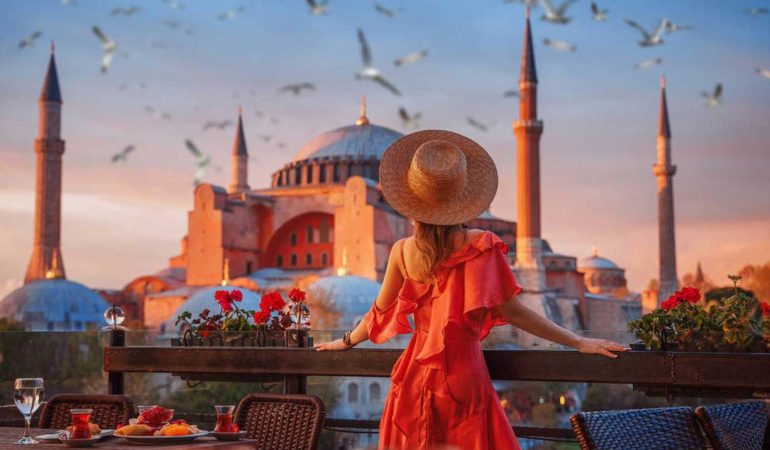
This comprehensive educational journey invites participants to explore the unique and profound cultural heritage of Istanbul, directing them to uncover the shining legacy of Istanbul, the heart of Turkey. Participants, particularly those knowledgeable about the history, art, architecture, and culture of ancient Istanbul, will be guided to unveil the cultural riches of this captivating city.

While delving into Istanbul’s cultural heritage, we present the city as an exemplary model, showcasing its multifaceted aspects. From the breathtaking architecture of Hagia Sophia to the vibrant atmosphere of the Grand Bazaar, each element contributes to the rich tapestry of Istanbul’s cultural heritage.

In the spirit of the European ideal, our course aims not only to explore but also to integrate the intrinsic value placed on cultural heritage. This aligns seamlessly with the strategic objectives of the European Union. Join us on this enlightening journey as we uncover the layers of history, art, and culture that define Istanbul’s unique cultural heritage. Let’s actively integrate what we learn into our educational practices by increasing our students’ cultural heritage awareness. Together, let’s embrace and celebrate the diversity that enriches our common European identity.

Read More

Digital Citizenship, Digital Media Literacy and AI Tools in Education

This course offers a comprehensive program for teachers and educators aimed at adapting to the educational environments and societies of the digital age. Covering digital citizenship, digital media literacy, and the use of AI tools in education, the course is structured within the framework of UNESCO, UN, and EU initiatives on these topics. It provides participants with knowledge on digital safety, ethics, and critical evaluation of media content, while teaching them how to implement AI tools through hands-on activities. Participants will gain the skills necessary to enhance students’ digital literacy in schools, raise them as safe and ethical individuals in the digital world, and personalize educational processes using AI tools. This program aims to take significant steps to support digital transformation and innovation in education.

Course Methodology

The course will be conducted through interactive and experiential methods, including collaborative learning, case studies, group work, and hands-on workshops. Icebreaker activities will allow participants to get to know each other and build trust, with an emphasis on group work and practical applications each day. Theoretical information will be presented through brief presentations, followed by practical experiences. Assessment will be based on the projects created and materials developed by participants. Feedback forms will be collected at the end of the course, and participants will receive Europass certificates and participation documents.

Read More

Enhancing Language Learning through ICT

Course Description

This course aims to teach educators how to enhance language learning through Information and Communication Technologies (ICT). In an era where technology is rapidly expanding its role in education, this course focuses on how to integrate digital tools into the language learning process to boost student motivation and language proficiency. Aligned with the 2021-2027 Erasmus+ Programme’s focus on digital transformation, the course will present innovative and creative methods for language teaching.
Educators will gain practical skills in integrating digital tools, e-learning platforms, and mobile applications into their language teaching practices, providing their students with richer learning experiences.

Course Methodology

The course is based on an activity-based, hands-on, and collaborative methodology. Educators will first learn the theoretical aspects of how ICT can be integrated into language teaching and will then engage in classroom applications using various digital tools and methods. Each day, participants will have the opportunity to develop their skills through group work, individual projects, and technology-supported activities. The course is designed to ensure that participants can easily transfer their learning into their own teaching environments.

Course Objectives

  • Teach educators how to use ICT tools in language learning.
  • Support language learning through digital platforms, mobile apps, and online resources.
  • Integrate e-learning and blended learning strategies into language teaching.
  • Develop language teaching programs aligned with digital transformation and inclusivity priorities.
Read More

Enhancing Language Learning through ICT

Course Description

This course aims to teach educators how to enhance language learning through Information and Communication Technologies (ICT). In an era where technology is rapidly expanding its role in education, this course focuses on how to integrate digital tools into the language learning process to boost student motivation and language proficiency. Aligned with the 2021-2027 Erasmus+ Programme’s focus on digital transformation, the course will present innovative and creative methods for language teaching.
Educators will gain practical skills in integrating digital tools, e-learning platforms, and mobile applications into their language teaching practices, providing their students with richer learning experiences.

Course Methodology

The course is based on an activity-based, hands-on, and collaborative methodology. Educators will first learn the theoretical aspects of how ICT can be integrated into language teaching and will then engage in classroom applications using various digital tools and methods. Each day, participants will have the opportunity to develop their skills through group work, individual projects, and technology-supported activities. The course is designed to ensure that participants can easily transfer their learning into their own teaching environments.

Course Objectives

  • Teach educators how to use ICT tools in language learning.
  • Support language learning through digital platforms, mobile apps, and online resources.
  • Integrate e-learning and blended learning strategies into language teaching.
  • Develop language teaching programs aligned with digital transformation and inclusivity priorities.
Read More

Digital Citizenship, Digital Media Literacy and AI Tools in Education

This course offers a comprehensive program for teachers and educators aimed at adapting to the educational environments and societies of the digital age. Covering digital citizenship, digital media literacy, and the use of AI tools in education, the course is structured within the framework of UNESCO, UN, and EU initiatives on these topics. It provides participants with knowledge on digital safety, ethics, and critical evaluation of media content, while teaching them how to implement AI tools through hands-on activities. Participants will gain the skills necessary to enhance students’ digital literacy in schools, raise them as safe and ethical individuals in the digital world, and personalize educational processes using AI tools. This program aims to take significant steps to support digital transformation and innovation in education.

Course Methodology

The course will be conducted through interactive and experiential methods, including collaborative learning, case studies, group work, and hands-on workshops. Icebreaker activities will allow participants to get to know each other and build trust, with an emphasis on group work and practical applications each day. Theoretical information will be presented through brief presentations, followed by practical experiences. Assessment will be based on the projects created and materials developed by participants. Feedback forms will be collected at the end of the course, and participants will receive Europass certificates and participation documents.

Read More

Cultural Heritage: Istanbul

We aim to develop a deep appreciation of cultural heritage among Europeans and foster a sense of common identity. Consistent with the European Union’s unwavering commitment to cultural heritage, this program places a strong emphasis on the importance of protecting, promoting and sustainably using our cultural treasures. Recognizing that cultural heritage is a unifying force for Europe, the EU celebrates the vibrant mosaic of cultural diversity that shapes our collective identity.

At its core, this course aims to contribute to the European ideal in which diverse areas of culture, art and cultural heritage play a central role in promoting true openness and protecting fundamental rights. Our vision embraces the belief that open and interactive cultural processes facilitate coexistence and promote effective communication between different communities.

In addition to exploration, this program also integrates educational strategies specifically designed to increase sensitivity and awareness among participants. Through immersive learning experiences, our aim is to instill a deep sense of responsibility towards cultural heritage and encourage participants to become dedicated guardians of this priceless heritage.

This comprehensive educational journey invites participants to explore the unique and profound cultural heritage of Istanbul, directing them to uncover the shining legacy of Istanbul, the heart of Turkey. Participants, particularly those knowledgeable about the history, art, architecture, and culture of ancient Istanbul, will be guided to unveil the cultural riches of this captivating city.

While delving into Istanbul’s cultural heritage, we present the city as an exemplary model, showcasing its multifaceted aspects. From the breathtaking architecture of Hagia Sophia to the vibrant atmosphere of the Grand Bazaar, each element contributes to the rich tapestry of Istanbul’s cultural heritage.

In the spirit of the European ideal, our course aims not only to explore but also to integrate the intrinsic value placed on cultural heritage. This aligns seamlessly with the strategic objectives of the European Union. Join us on this enlightening journey as we uncover the layers of history, art, and culture that define Istanbul’s unique cultural heritage. Let’s actively integrate what we learn into our educational practices by increasing our students’ cultural heritage awareness. Together, let’s embrace and celebrate the diversity that enriches our common European identity.

Read More

From STEM to STEAM: Integrating Art into STEM Education

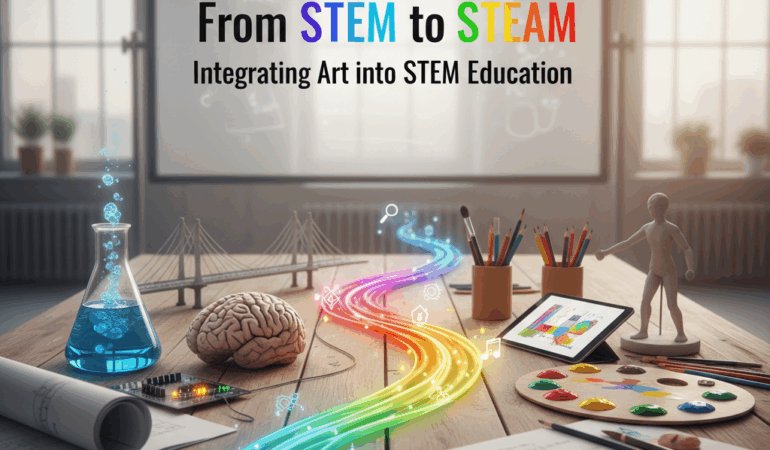
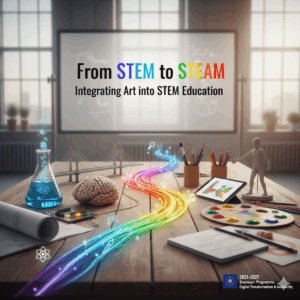
This course aims to teach educators how to integrate art (A) into the STEM (Science, Technology, Engineering, and Mathematics) disciplines, transitioning from STEM to STEAM. By incorporating art, students can enhance their creativity, improve problem-solving skills, and experience interdisciplinary learning that connects both scientific and artistic competencies. This course aligns with the 2021-2027 Erasmus+ Programme‘s priorities of digital transformation and inclusivity, offering a unique opportunity to develop innovative educational approaches.

Participants will learn how to design lesson plans and activities that integrate art into STEM disciplines, encouraging students to explore both their artistic and scientific talents. The course will also focus on using digital tools and creative methods to make STEM subjects more engaging.

Read More

Cultural Heritage: Rome

We aim to develop a deep appreciation of cultural heritage among Europeans and foster a sense of common identity. Consistent with the European Union’s unwavering commitment to cultural heritage, this program places a strong emphasis on the importance of protecting, promoting and sustainably using our cultural treasures. Recognizing that cultural heritage is a unifying force for Europe, the EU celebrates the vibrant mosaic of cultural diversity that shapes our collective identity.

At its core, this course aims to contribute to the European ideal in which diverse areas of culture, art and cultural heritage play a central role in promoting true openness and protecting fundamental rights. Our vision embraces the belief that open and interactive cultural processes facilitate coexistence and promote effective communication between different communities.

In addition to exploration, this program also integrates educational strategies specifically designed to increase sensitivity and awareness among participants. Through immersive learning experiences, our aim is to instill a deep sense of responsibility towards cultural heritage and encourage participants to become dedicated guardians of this priceless heritage.

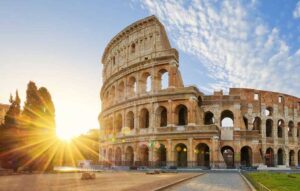
This comprehensive educational journey invites participants to discover the unique and profound cultural heritage of Rome, the beating heart of Italy. Participants who are knowledgeable about the history, art, architecture and culture of Ancient Rome will be guided to uncover the cultural riches of this fascinating city.

In exploring Rome’s cultural heritage, we present it as an exemplary model, showcasing its numerous facets. From the breathtaking architecture of the Colosseum to the intricate art of the Vatican, each element contributes to the rich tapestry of Rome’s cultural heritage.

In the spirit of the European ideal, our course aims not only to explore but also to integrate the intrinsic value placed on cultural heritage. This is perfectly compatible with the strategic objectives of the European Union. Join us on this enlightening journey as we uncover the layers of history, art and culture that define Rome’s unique cultural heritage. Let’s actively integrate what we have learned into our educational practices by increasing awareness of cultural heritage among our students. Let’s embrace and celebrate together the diversity that enriches our common European identity.

Read More

Cultural Heritage: Antalya

We aim to develop a deep appreciation of cultural heritage among Europeans and foster a sense of common identity. Consistent with the European Union’s unwavering commitment to cultural heritage, this program places a strong emphasis on the importance of protecting, promoting and sustainably using our cultural treasures. Recognizing that cultural heritage is a unifying force for Europe, the EU celebrates the vibrant mosaic of cultural diversity that shapes our collective identity.

At its core, this course aims to contribute to the European ideal, where diverse areas of culture, art, and cultural heritage play a central role in promoting true openness and protecting fundamental rights. Our vision embraces the belief that open and interactive cultural processes facilitate coexistence and promote effective communication between different communities.

In addition to exploration, this program also integrates educational strategies specifically designed to increase sensitivity and awareness among participants. Through immersive learning experiences, our aim is to instill a deep sense of responsibility towards cultural heritage and encourage participants to become dedicated guardians of this priceless heritage.

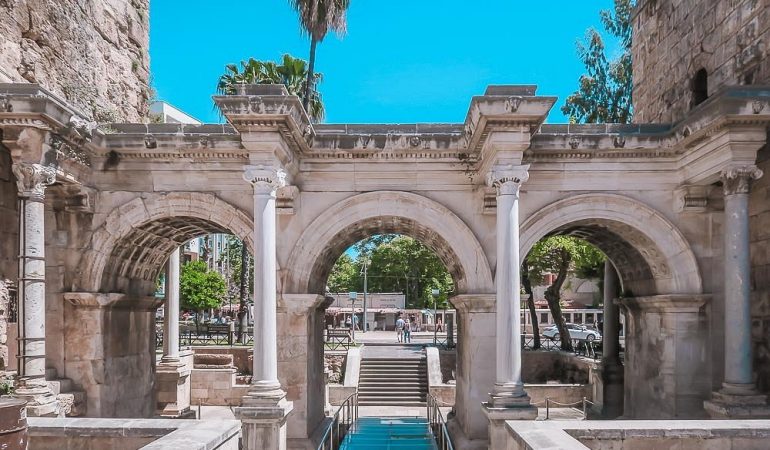
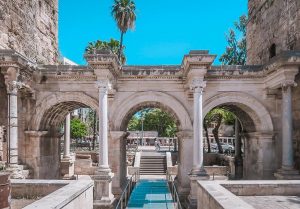
This comprehensive educational journey invites participants to explore the unique and profound cultural heritage of Antalya, directing them to uncover the shining legacy of this captivating city on the Turkish Riviera. Participants, particularly those knowledgeable about the history, art, architecture, and culture of ancient Antalya, will be guided to unveil the cultural riches of this enchanting region.

While delving into Antalya’s cultural heritage, we present the city as an exemplary model, showcasing its multifaceted aspects. From the historical wonders of Perge to the vibrant atmosphere of Kaleiçi, each element contributes to the rich tapestry of Antalya’s cultural heritage.

In the spirit of the European ideal, our course aims not only to explore but also to integrate the intrinsic value placed on cultural heritage. This aligns seamlessly with the strategic objectives of the European Union. Join us on this enlightening journey as we uncover the layers of history, art, and culture that define Antalya’s unique cultural heritage. Let’s actively integrate what we learn into our educational practices by increasing our students’ cultural heritage awareness. Together, let’s embrace and celebrate the diversity that enriches our common European identity


Read More